








The international conventions on human rights define the right to education as the right to free and compulsory primary education and refer to the contents of school education.
The Democratic People’s Republic of Korea, however, has long introduced the policy for all-people education, which surpasses by far the requirements of the international conventions, guaranteeing the right to education for everybody. In a word, everyone studies to their heart’s content irrespective of age.
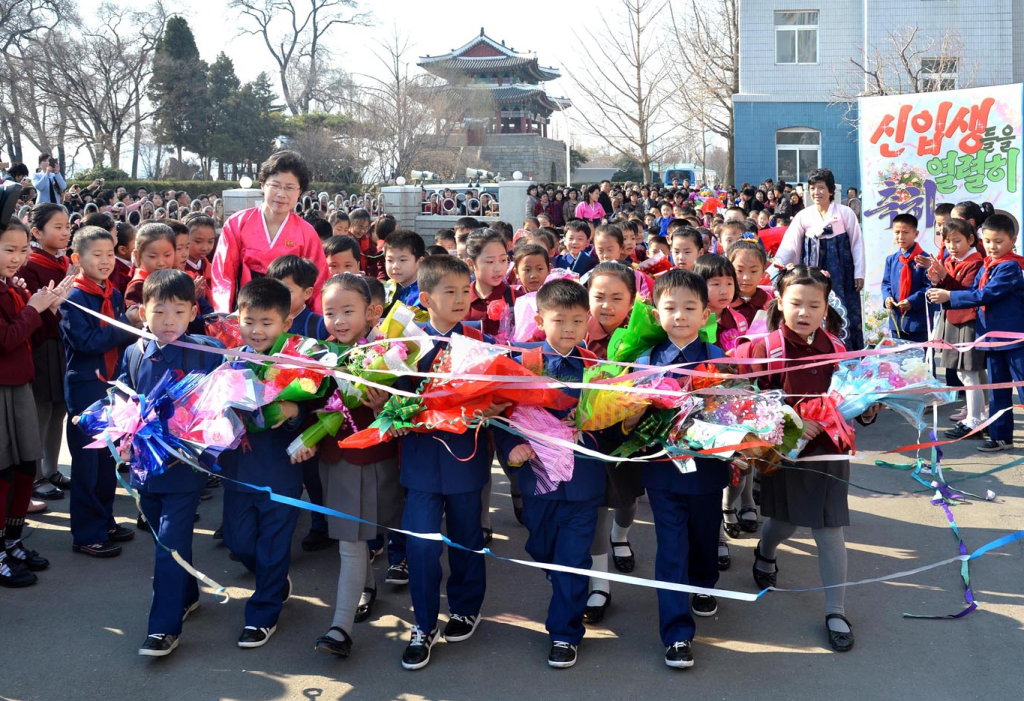
This country introduced universal compulsory primary education for the first time in the East in 1956, universal compulsory secondary education in 1958, universal 9-year compulsory technical education in 1967 and universal 11-year compulsory education for the first time in the world in 1972. And now universal 12-year compulsory education is in force in accordance with the law adopted at the Sixth Session of the Twelfth Supreme People’s Assembly held in September 2012.

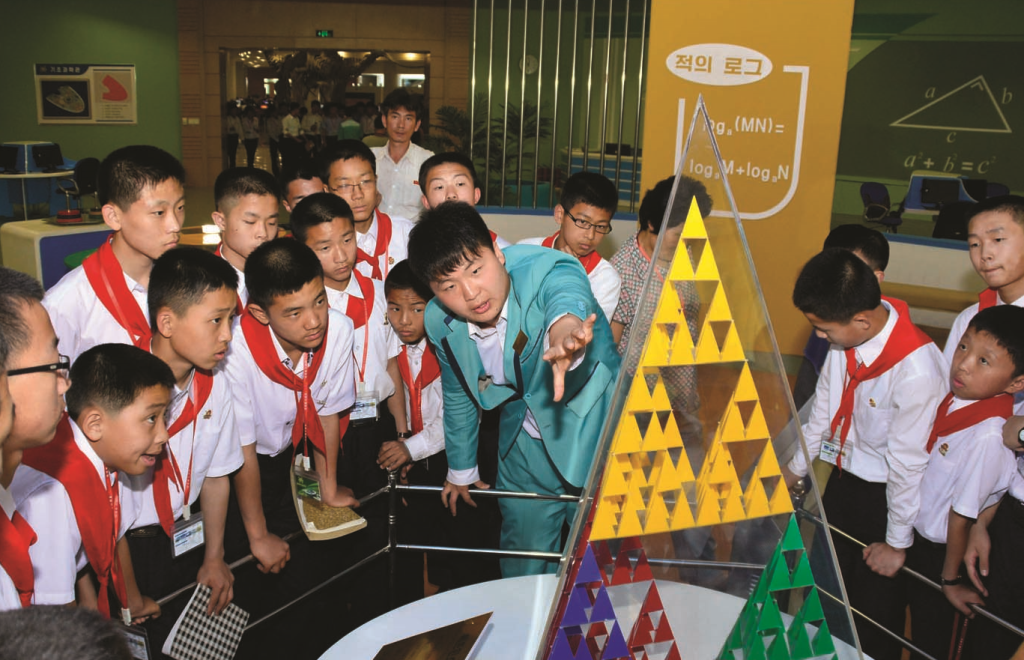
What is noteworthy is the content of the educational policy of this country. As demanded by the requirements and the worldwide trend of developing education in the age of knowledge economy, it is developing the universal 12-year compulsory education on a high standard and is aspiring to make all the people well-versed in science and technology by consolidating the regular educational system and different forms of study-while-you-work system that involves factory, farm and other field colleges and by expanding the scope of online education.
Operation of branch schools gives a glimpse of how the country ensures the right to education. Those with physical disabilities and those, who live in mountain areas or far-flung islands, places far away from residential districts, receive compulsory education without exception. There are over several hundred branch schools for 10 to 20 students, and there are such schools for even one or two.
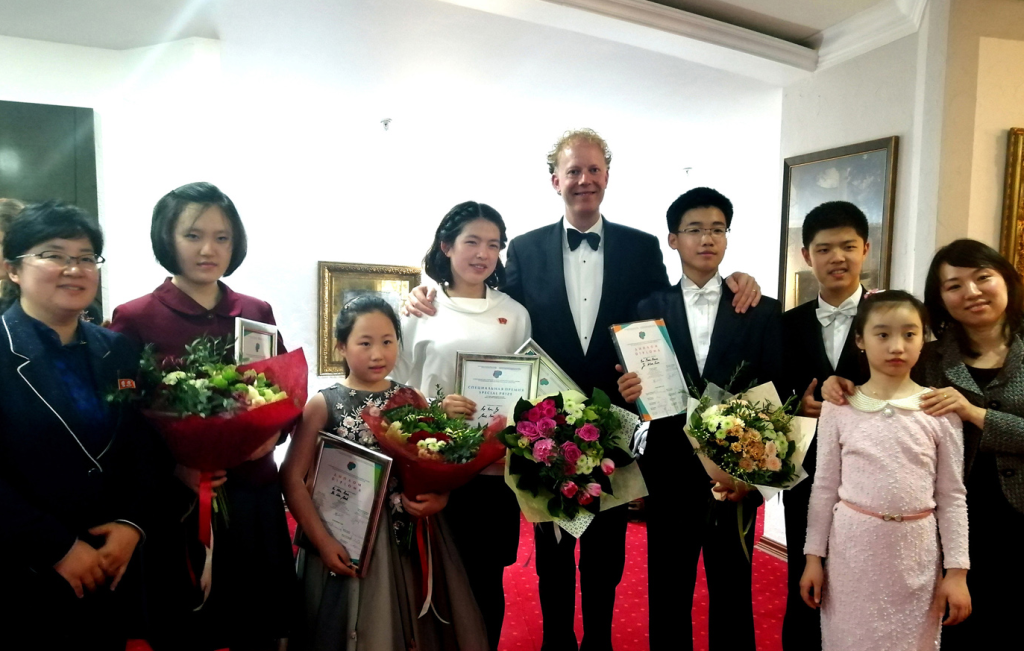
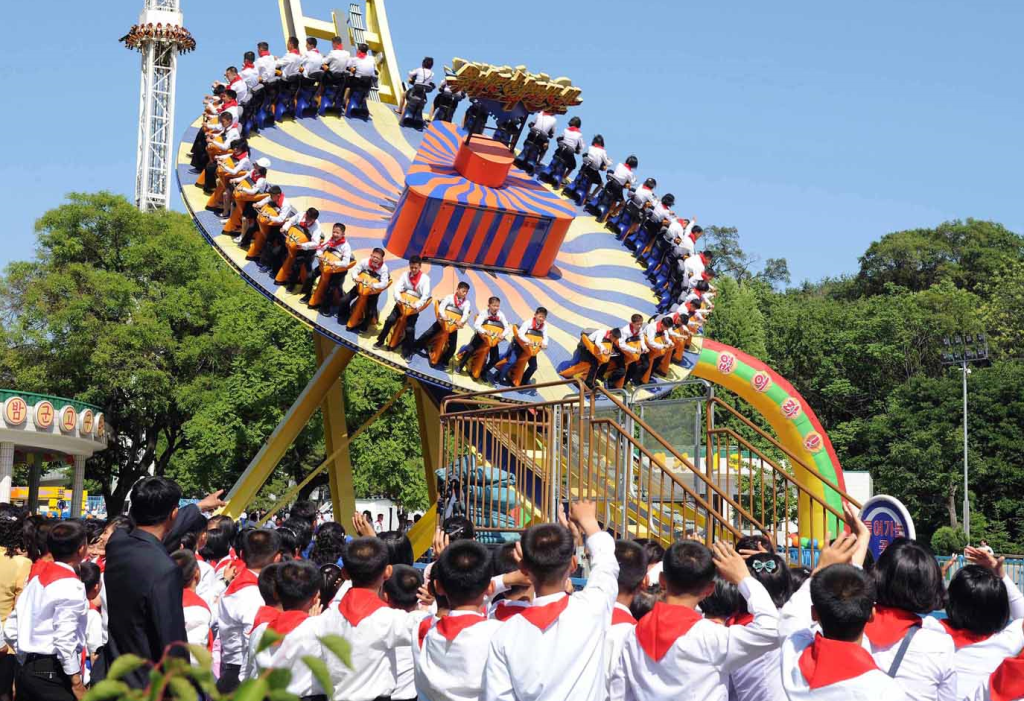
In the DPRK, where all types of educations are free of charge, the state gives scholarships to students of schools of tertiary education and prodigy education, schools for students with disabilities. It grants to the students who prove themselves outstanding in schoolwork special scholarships, to postgraduate-course students courtesy scholarships, and to students studying within the study-while-you-work system their full salaries. It sells school things and the necessaries of life for students at low prices.
The compulsory and complete free education system established in the DPRK ensures that every one studies, wherever he or she lives and whatever he or she does.
These testify to the high level of right to education, the high level of human right in the field of education, provided in the DPRK.