














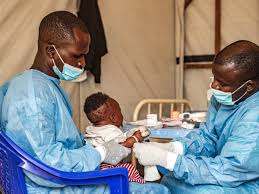
A severe malaria outbreak in the Democratic Republic of Congo (DRC) has been confirmed, sparking concerns about the potential spread of the disease to neighboring Uganda.
The outbreak, which has claimed 143 lives in the Panzi health zone in November, presents a significant threat to Uganda due to the porous borders and frequent movement of people between the two countries.
According to the Ministry of Public Health, the disease has been identified as a severe form of malaria, which presents in the form of a respiratory illness.

“The mystery has finally been solved. It’s a case of severe malaria in the form of a respiratory illness,” the Ministry said in a statement.
The disease has been reported in 592 cases since October, with a fatality rate of 6.2 percent. The symptoms include fever, headache, cough, runny nose, and body aches, with most cases and deaths reported in children under 14.
Provincial health minister Apollinaire Yumba said anti-malaria medicine provided by the World Health Organization was being distributed in the main hospital and health centers in the Panzi health zone.
The WHO has also announced plans to send more health kits for moderate and critical cases. However, the remote location of the Panzi health zone has added challenges to investigating the outbreak.
The DRC has the second-highest number of malaria cases and deaths globally, with malaria being the country’s leading cause of death.
This outbreak serves as a stark reminder of the need for vigilance and cooperation between neighboring countries to prevent the spread of diseases.