

















By Ambrose Mwesigye
In a multiparty dispensation under parliamentary democratic practice, political Parties draft their manifestos in which proposals for policy reforms on the economic and sociopolitical direction of the country are tabled and presented to the public as agenda and reason for which particular political party candidates should be elected into office for a political term of office.
A political Party whose manifesto is approved by the public/ electorate and candidates or Party flag bearers elected into Presidency, Parliament and Local government ( for the case of Uganda) in majority numbers ends up as a ruling Party, taking a Lion’s share of key slots in the formation of government, while the rest of the Parties remain as opposition, with the runner up in the elections as leaders of opposition in a parliamentary system.

The manifesto for a ruling Party automatically translates into policy paper upon which government programmes for the next term of office are drawn, implemented and monitored through government and state apparatus. This is done normally under the supervision of an executive appointed by the President of a ruling Party, the legislation and appropriation role played by the legislature, functions of the local government structures and the other state players who work to ensure that the law is in tandem with the aspirations of public good as drafted by those in custody of power and Authority.
Government programmes drawn from the ruling party manifesto are in most cases envisaged to be an answer to the socioeconomic needs of the people and therefore when implemented to satisfaction translate into socioeconomic reforms which actually define a country’s position in economic growth perterns and a political system’s sensitivity to aspirations of the population.
In the early 80s to 90s, many countries especially in Africa, Uganda inclusive had regime changes mainly because new revolutionary leaders came up with an approach that focused on the socioeconomic transformation needs of the people, security and other social service enhancements alongside a promise for democratic tranquility at a time many post-independence governments had some how gone offtrack; and this indeed worked well for the new revolutionary groups.
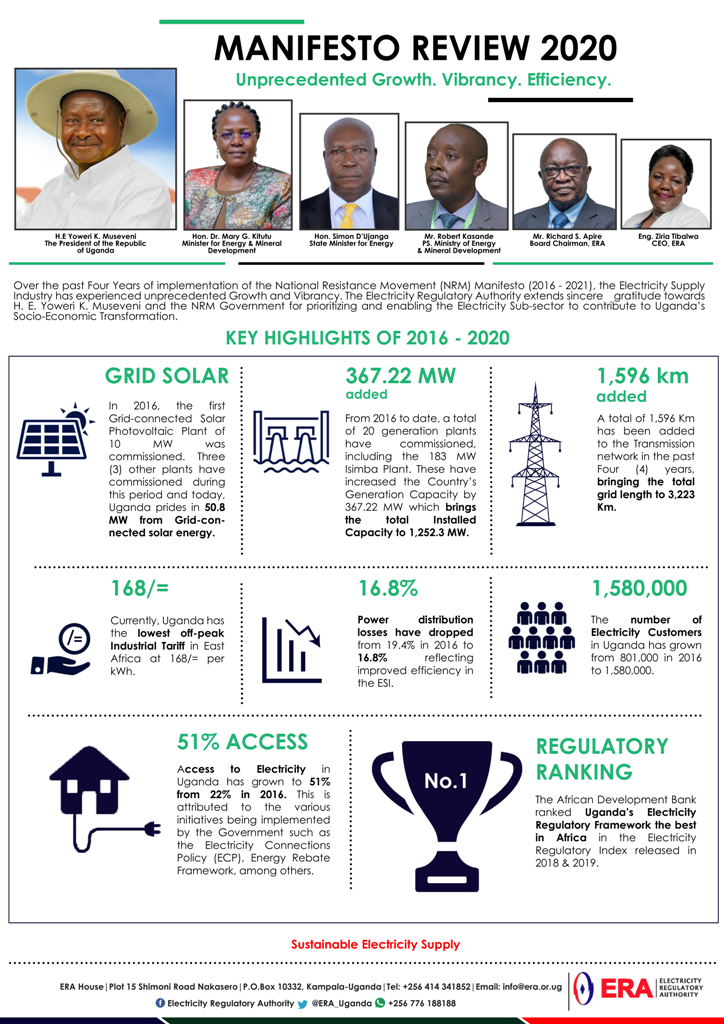
In Uganda, the NRA/M revolution which had started way back in the 70s with the FRONASA operatives finally took shape in the 80s, resulting in the 1986 take over of power. Testimonies from civilian contacts of the NRA bushwar, the historical NRA commanders and the population in the Luwero Triangle, Bunyoro, Tooro and Rwenzori areas which were the epitome of war indicate until now that the NRA/M was a pro-people mission with a message of social reforms.
Through the years of the Movement system until 2005 when the country metamorphosed into the multiparty system after a referrudam, the Movement has kept a path of transformational agenda in all its programmes, focusing on security and democracy as key pillars, and this has kept the NRM Party in occupation of political space.
This kind of dominance although much advantageous, some times can be an undoing the a political system, especially in the event that the Executive-Party cordial relationship( between the ruling Party the governments structures) is not put to proper utilisation in ensuring the population finds value for their political choice.
This is evidenced normally by consistent levels of corruption in government agencies, political intrigue in the ruling Party, poor service delivery and to some extent political disenfranchisement of some individuals. When such happens, it means the ruling Party has to get to the drawing board to address first three issues mainly; service delivery through accurate manifesto implementation, enhanced research and public policy analysis, cadre identification and placement.
The three mentioned above are pivotal in ensuring that government agenda for the population is applied to the dot, that is to say; all government programmes emanating from the party manifesto are well implemented, if the implementors or monitors are well identified and placed cadres, they will work transparently and therefore reduce on systemic corruption levels and in fostering service delivery, government structures are in positive contact with the public, majority party electorates. Research and public policy analysis will help to identify gaps well in time and have them bridged.
Having stated the above, with the NRM broad coverage and the Local government structures in Uganda dominated by the NRM Party; and the legislature with majority NRM members of parliament, an executive also bent to the NRM party, it is of great advantage that if these structures were well utilised to monitor government programmes and awaken the population to positively demand for transparent service delivery, the NRM score card would soar high to a level unmatchable by any political organisation in Africa.
The Local Council structure from village to District level( majority NRM), the NRM structures and leagues, the relationship between the executive, Parliament and the NRM ruling Party which is is well quadrupledly fused is a peculiar monopoly of the NRM Party in influencing policy, from formulation to implementation. In nutshell,the NRM Party has all it takes through these structures to directly or by implication supervise government programmes since all Ministries,Agencies and Departments are by all standards enshrined in this quadruple arrangement.
It is therefore significant that key stakeholders in the ruling Party take advantage of this phenomenon to ensure that the party Manifesto and government agenda gets to the full benefit of the common person for the system to achieve its strategic mission for the country and the region,on top of political continuity and stability. Coupled with rejuvenation of the original NRA/M disciplinarian approach, the above can lead the NRM Party to long life in power like Mzee Julius Nyerere’s Chama Cha Mapinduzi – CCM of Tanzania and the 100 year old Communist Party of China to the benefit of Ugandans.
This can easily be achieved if the masses are well organized through the various Local council structures, NRM Party structures, pro government citizen groups with a common view of demanding for accountability from duty bearers but well monitored centrally by a system deliberately designed by the ruling NRM Party. The most applicable and manageable approach would be; (a) The grassroot structures approach: Here, for example, the NRM DEC- District Executive Committee can move to hold the District Local Council Executive accountable by demanding transparent appropriation of local budgets and central government intervention programmes. Grassroot NRM Volunteer groups can also through the RDCs office follow up on government programmes.(b) Central Structures follow up approach: At this stage, Members of the NRM CEC can together with the Party Secretariat form working Committees designed and spread to cover the various government entities in custody of Public good. These committees can work with the NRM caucus in Parliament to find round table engagement with the executive which is the policy supervisor of all MDAs. This discussion can go on and on but for now, let us stop here. To be continued!
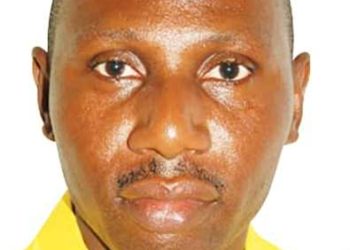
Ambrose Mwesigye is a former RDC