















Museveni Unveils Vision for Uganda’s Economic Growth Through Infrastructure Development
By The Public Lens
Uganda’s President Yoweri Museveni has emphasized the crucial role of rail infrastructure in reducing transport costs and boosting business profitability.

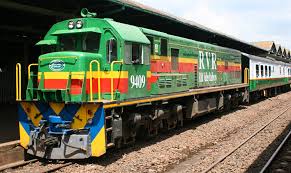
Speaking at the 62nd Independence Anniversary celebration in Busia, Museveni highlighted Uganda’s economic history, current development, and plans to improve infrastructure, including the ongoing repairs to the old meter-gauge railway and the construction of the Standard Gauge Railway.
The railway network is vital for lowering transport costs, enabling businesses to operate more profitably.
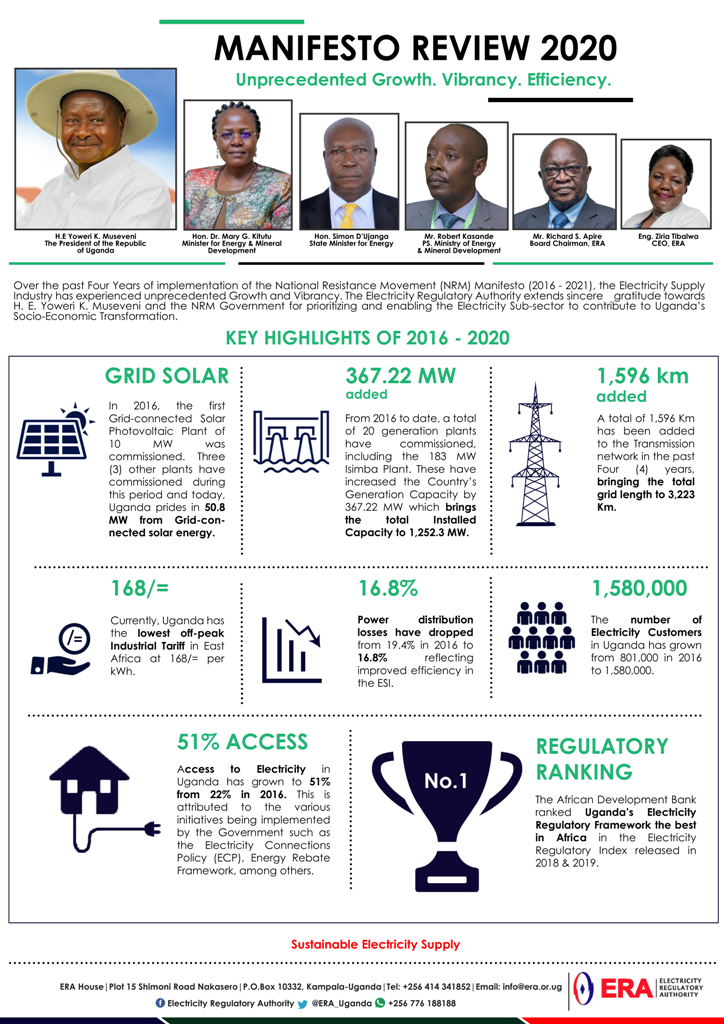
Reducing production and transport costs through investments in infrastructure like electricity and railways will make Uganda a more attractive destination for investors.
By improving these essential services, Uganda is paving the way for businesses to flourish while increasing employment opportunities across sectors, particularly in manufacturing and services.
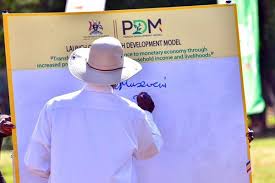
Museveni urged the people of eastern Uganda to take advantage of government programs aimed at fostering economic inclusion, such as the Parish Development Model (PDM), and join the money economy.
He reflected on Uganda’s colonial economic past, characterized by a focus on raw material exports like coffee, cotton, and copper, which limited Uganda’s economic potential and kept most of the population in subsistence farming.
Today, Uganda’s economy is diversifying, with the government focusing on value addition and industrialization to generate more wealth.
Using coffee as an example, Museveni highlighted the global disparity in the value chain, where Uganda earns about $2.5 per kilogram of raw coffee beans, while the same kilogram fetches up to $40 once roasted and packaged abroad.
To combat this, Uganda is industrializing its agriculture and mineral sectors, with upcoming projects focusing on coffee, copper, and iron ore.
The President outlined Uganda’s economic growth trajectory, expecting the nation’s GDP to reach $57.5 billion by June 2025, with an ultimate goal of expanding the GDP to $500 billion.
Museveni advocated for economic and political integration across Africa, stressing regional cooperation as essential for achieving prosperity and strategic security.
Without integration, Africa risks stagnation similar to Latin America’s experience.