
















New Dawn for US-Africa Relations: LGBTQ Sanctions Under Review
By The Public Lens
The United States, under President-elect Donald Trump’s administration, is set to revitalize its diplomatic ties with Africa, starting with revising the LGBTQ sanctions imposed on African leaders.

These sanctions, deemed unfair by the Trump administration, were put in place by the previous administration for refusing to implement and promote LGBTQ activism.
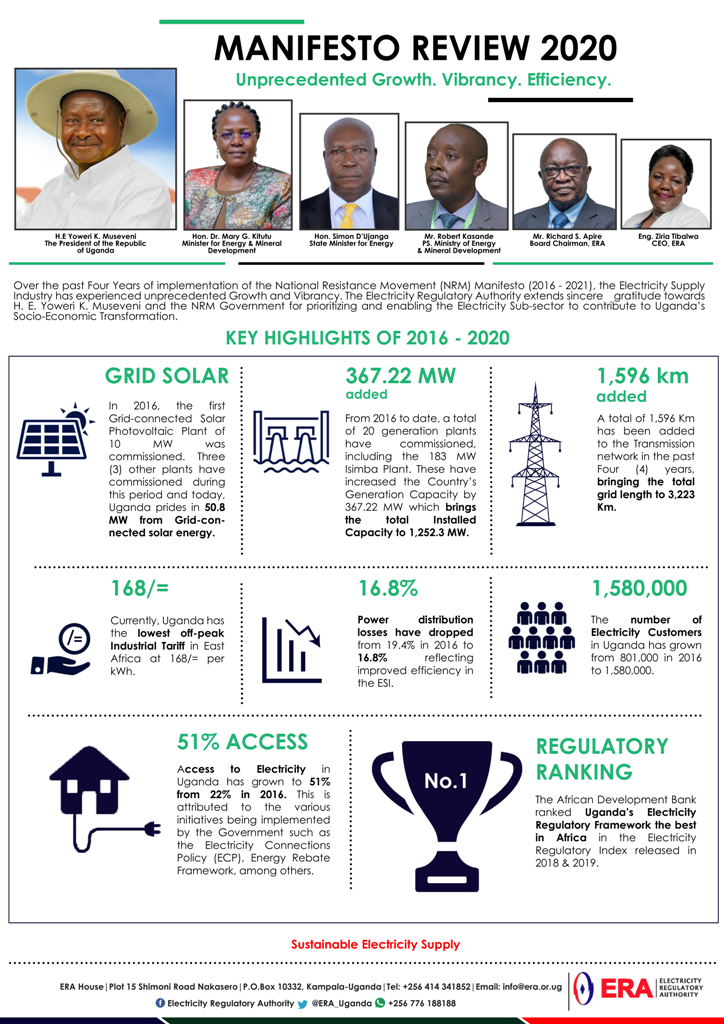
African countries that have felt the brunt of these sanctions include Uganda, which has been a focal point of controversy surrounding LGBTQ rights.
The country’s Anti-Homosexuality Act, signed into law in 2014, was met with international outcry and led to the US imposing targeted sanctions.
Other African nations, such as South Africa, have also been impacted by the LGBTQ agenda, with former President Jacob Zuma vowing to reverse same-sex marriage rights.
However, it’s worth noting that South Africa has been a pioneer in recognizing the rights of same-sex couples in Africa.
The Trump administration’s planned revision of LGBTQ sanctions is expected to be facilitated by Senator Marco Rubio, rumored to be the next US Secretary of State.
Rubio’s anti-LGBTQ stance and experience on the Foreign Relations Committee make him an ideal candidate to reshape US-Africa relations.
As the US embassies in African states stop flying the rainbow flags alongside the American flag, a new era of diplomacy may emerge.
The shift in US policy could have far-reaching implications for LGBTQ rights and activism on the continent.
African Countries Affected by LGBTQ Sanctions:
– Uganda: Faced sanctions for its Anti-Homosexuality Act
– South Africa: Impacted by the LGBTQ agenda, with former President Jacob Zuma vowing to reverse same-sex marriage rights
The road ahead for US-Africa relations remains uncertain, but one thing is clear: the Trump administration’s revised stance on LGBTQ sanctions will have significant consequences for the continent.