












The rapidly escalating cholera outbreak in South Sudan poses a significant threat to Ugandans, particularly those living in border towns.
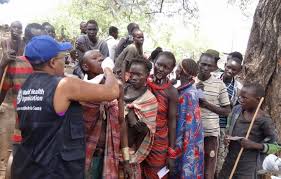
A humanitarian group, Doctors Without Borders (MSF), has warned that the outbreak is spreading rapidly, with 737 cholera cases reported in Malakal, the capital of South Sudan’s Upper Nile state.
The situation is critical, with MSF’s head of mission in South Sudan, Zakaria Mwatia, stating, “The situation in Malakal remains critical, and we are concerned that the outbreak is spreading to neighbouring areas such as Tonga and Kodok”.

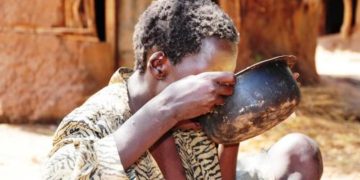
Cholera is a highly infectious disease that can spread quickly through contaminated food and water. The risk of transmission is high, particularly in areas with poor sanitation and limited access to safe drinking water.
The outbreak in South Sudan has already reported 1,526 suspected and confirmed cholera cases as of December 3, with more than 850,000 people having crossed from Sudan into South Sudan over the past 18 months.
This massive influx of refugees and returnees poses significant risks to Ugandans, particularly those living in border towns. The already fragile health system in South Sudan is under immense pressure, and the risk of cholera transmission to Uganda is high.
The United Nations has secured over 280,000 doses of oral cholera vaccine to be rolled out in transmission hotspots, but more needs to be done to address the root causes of the outbreak.
Ugandans must be vigilant and take necessary precautions to prevent the spread of cholera. This includes practicing good hygiene, drinking safe water, and seeking medical attention immediately if symptoms occur.
The cholera outbreak in South Sudan is a looming threat to Ugandans, and immediate action is necessary to prevent its spread.