













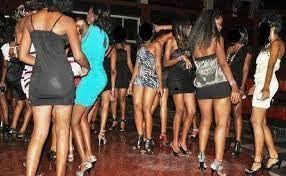
In Uganda, the struggle for reproductive health rights is a pressing concern, particularly for Female Sex Workers (FSW) who face stigma, vulnerability, and limited access to essential services.
Michael Ssemakula, a representative from the Alliance of Women Advocating for Change (AWAC), emphasizes the significance of addressing the reproductive health needs of marginalized women.
“Today, we recognize the struggles of sex workers globally, but especially here in Uganda, where laws, policies, and societal attitudes make it difficult for them to access services like contraception and abortion.”

The current legal and policy framework surrounding reproductive health in Uganda is a significant barrier to improving public health outcomes for vulnerable populations.
Ssemakula notes, “The consequences are severe – unsafe abortions contribute to a high maternal mortality rate in the country, with approximately 228 women out of every 100,000 dying from maternal complications, many of which stem from unsafe abortions.”
Immaculate Bazare Owomugisha, a Uganda Health, HIV, Gender, and Human Rights Attorney, highlights the contradictions in Uganda’s laws and policies. “The country has progressive policy guidelines, such as the National Sexual and Reproductive Health and Rights Policy, which recognize the importance of comprehensive SRHR services. However, these policies are undermined by restrictive laws like those criminalizing abortion under the Penal Code Act, except in life-threatening circumstances, and the ambiguous implementation of the Maputo Protocol.”
Ssemakula stresses the need for clear, unambiguous guidelines to ensure that women, especially marginalized ones like FSW, can safely access reproductive health services without fear of punishment. “The law should provide clear, unambiguous guidelines so that women, especially marginalized ones like FSW, can safely access these services without fear of punishment.”
Cultural and religious attitudes present significant barriers to reproductive health access. Ssemakula emphasizes the role of public health education in breaking down these cultural barriers. “Cultural and religious beliefs around contraception and abortion often prevent women from seeking the help they need. Public health campaigns are essential in changing attitudes and creating an environment where women can make informed decisions about their health.”
Solister Bazare Owomugisha notes that cultural beliefs and stigma rooted in traditional and religious norms significantly restrict access to SRHR services, especially for marginalized groups such as sex workers. “These beliefs often frame abortion and contraception as immoral or unnatural, leading to social ostracization and poor service delivery.”
Bongole Fred, an expert planner from Kyotera District, highlights the challenges posed by cultural misconceptions. “Our cultures think that when someone takes family planning, it will reduce the fertility rate of women. They also believe that abortion leads to the loss of life. These misconceptions, coupled with the high cost of SRHR services, make it difficult for local people to access the care they need.”
Abdul Jamal Uthman, Executive Director of Quark Drive Empowerment Center, agrees that misinformation is a major obstacle. “Religious and cultural stereotypes frame pro-choice services as immoral. Some believe we are against God’s will, even in cases of rape or when a woman’s life is in danger. These beliefs make it harder to promote access to reproductive health services.”
Despite these challenges, communities are stepping up to address these issues. Uthman adds, “We are raising awareness within our communities by combating misinformation and engaging stakeholders and duty bearers. Advocacy and education are critical in creating networks that support pro-choice interventions.”
The path forward requires policy reform and public support. Ssemakula states, “We are calling on the government to align the national policy guidelines on SRHR with the Constitution. This would provide clear and legally supported guidelines on when abortion is permissible, such as in cases of fatal abnormalities or when the life of the mother is in danger.”
Grassroots organizations are playing a crucial role in breaking down barriers and improving access to SRHR services. Cindy, the Executive Director of Giwagi Uganda, explains their work at the Katosi landing site. “Our primary role in the community is creating awareness among sex workers and key populations. We emphasize the importance of safe abortion care and using medical methods to reduce risks.”
As Uganda grapples with these complex legal and cultural challenges, the future of reproductive health rights for sex workers hangs in the balance.
Policymakers, healthcare providers, and the public must come together to ensure that all women, regardless of their profession or status, have access to the reproductive health services they need to survive and thrive.