

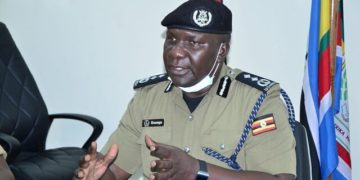








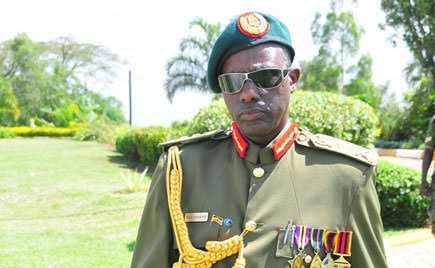
Gen Elly Tumwine is a Member of Parliament representing UPDF. Historically, he fired the first bullet at Kabamba military barracks on February 6, 1981 that triggered the five-year guerilla war that eventually catapulted the NRM to power on January 26, 1986.He is outspoken about the challenges of the day that are undermining the achievements of the NRM revolution. In light of the ensuing altercation he faces with some Members of Parliament, The Public Lens reproduces an earlier interview with the General on the direction of Uganda under NRM.
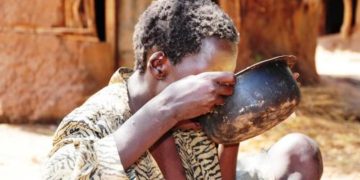
“I will compare the NRM revolutionary struggle of transforming Uganda to a person preparing food.The process of having food on the table goes through various stages; you first have to clear and cultivate the gardens, then plant your seeds, then weed and wait for the harvest. When the harvest has been done you will now have food to prepare; take the food to the kitchen, let the cooks or chefs have it cooked and served at the dining table. You could decide to eat the whole food and vomit it, load your stomach again like the Romans would do. This, of course, is when the food is delicious, but when it’s poorly cooked, you won’t even have the appetite to touch it. This is exactly what we did so many years ago in the bush.
Now it’s one thing to have the food and another for the food to satisfy the eaters. In this respect, we launched the struggle that laid the foundation for the restoration of this country. I won’t go deeper into the curse that engulfed this country as witnessed by the outrightmurders, the looting, and what have you by the brutal regimes we fought to depose.
The story of how we launched the struggle has been told over and over and I wouldn’t want to delve into that. We just contacted ourselves, then off we went without anyone forcing us, but the brutal circumstances of the day did that.
We fought for peace and freedom, and Ugandans today are enjoying that peace and freedom, including the freedom to tell lies like today’s media and the freedom to expose those lies in courts of law. We set the democratic and governance structures, where now everybody including the women, youth and other hitherto neglected sections like the disabled are now in positions of leadership. We laid the foundation for economic development; rebuilding infrastructure to foster rapidgrowth.
The challenge we have today is failure to turn the aggregate success we have registered into effective service delivery for the benefit of all Ugandans. This is what should concern us the more both as the government and as citizens.The solution to this starts with changing the cooks or chefs and purging the system of all the bad elements. It’s not something we can do overnight, but a continuous process that should involve everyone interested in a better society. We ushered in a fundamental change, and this fundamental change is still ongoing. It wasn’t over the moment we captured power in 1986, rather the journey had just begun.
This country has the potential to transform into a modern first-world nation with the best of infrastructure. Other countries have done it with determination and we should also take the sacrifice and discipline to do this for our country.
Looking back 31 years ago in respect to the future, I must say thatthe future of this county is in the young generation. For us we laid the foundation upon which the young people could have a better future. We now have free education, and the government has created an enabling environment for the empowerment of the people, mostly the youth. So, the youth should take this opportunity to improve their lives and status and get determined to move this country from where we have brought it.
Am happy with the recent changes in government especially the Army. We now have young officers who have been entrusted with the mantle of leadership in the forces, and this represents a generational shift which is healthy in a thriving democracy. I recently encouraged this young and newly promoted army officers not to fear the challenge of leadership.”