















By Daniel Kakuru
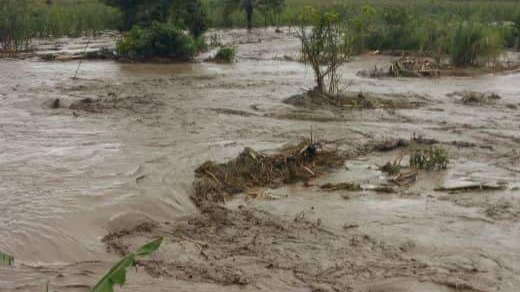
There’s a heart-rending video running around several of the WhatsApp groups I belong to. Of a man, apparently in his youth, being swept away by running water. He fights and kicks and pulls his motorcycle; a Bajaj Boxer, lest it should sink. He knows his predicament only too well: either his motorcycle survives, or they die together. For without it, he is nothing; he will starve to death. Everything turns out bad. No, he doesn’t succeed in rescuing his motorcycle. As if that is not painful enough, he too is swallowed in a bog. For about half a minute, he is under water. Brown, muddy water. There’s non-specific noise in the atmosphere. Cries of despair. Departing of a soul. Just in time, a good Samaritan appears from nowhere the way ghosts do, dives into the water and fishes him out. I don’t believe in miracles, but this is one; I see it with my own eyes.
Kasese.

For the nth time, there was a torrential downpour in Kasese. As usual, the notorious rivers broke their banks. The resultant story is always the same when this (flooding) happens. A few deaths here and there. Displacement. Loss of livelihoods. Indelible memories.
In 2013, something similar to this happened in the same darned place – Kasese – and a Masereka friend of mine was a victim. He recounted his ordeal; of a stone the size of a Vitz car, which came running downhill with the water and tore their house down. His life has never been the same since then. They would later be moved to a rehabilitation centre, to start leading a whole new life similar to that of refugees.
Next year, the same thing will happen. A river, so rowdy and unruly, will break its banks and overflow. It will swallow humans and their lives and their homes. As always. A familiar horror movie on replay.
There is a problem. Even though at the beginning of time, the Creator told man, “go and establish dominion over the earth and all creatures,” this did not apply to Ugandans. I’ll extrapolate the problem and say, Africans at large. We have decided to preserve nature; to leave these rivers and their banks in their natural state. We shall not do anything about preventing the floods; for we know what happened when stubborn humans attempted to build a tower at Babel. So we will live our life in circular motion, dealing with the aftermath of the floods every year. We are at the mercy of these rivers. If they want to overflow and sweep us away, we shall wait and see. If they choose to forgive us, it’s still up to them.
In the Netherlands, more than half of the country is at or below sea level. Nonetheless, the Dutch have claimed land from the sea. They are not at risk of being swept away. How have they done it? They have erected dikes. For centuries, mankind has known about levees, embankments, dams and stopbanks. These can act as barriers when built parallel to the course of river flow, and we won’t have to be dealing with the debilitating effects of freely flowing and flooding rivers as if our heads are too frozen to think.
But since this is Africa, these simple solutions could be too difficult for us to apply. So I’ll stay in my lane with a humble, contrite heart.
About the author:
Daniel Kakuru is a Ugandan lover of stories and social commentary. He writes under a Facebook hashtag #MugOfPorridge and blogs at danielkakuru.wordpress.com