











South Sudan Delays Elections Until 2026, Citing Lack of Preparedness
By The Public Lens
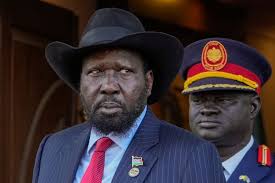
South Sudan’s government has announced a two-year postponement of the country’s general elections, initially scheduled for December 2024, to December 22nd, 2026.

This marks the second time the country has delayed elections and extended its transitional period, which began in February 2020.
President Salva Kiir and his former rival turned deputy, Riek Machar, signed a peace agreement in 2018, ending a five-year civil war that claimed an estimated 400,000 lives and triggered a massive refugee crisis.
“The presidency, under the chairmanship of President Salva Kiir Mayardit, has announced an extension of the country’s transitional period by two years as well as postponing elections,” Kiir’s office said in a statement on Friday.
According to Presidential Adviser on National Security, Tut Gatluak, the government requires more time to complete essential processes such as a census, drafting a permanent constitution, and registering political parties.
Cabinet Affairs Minister Martin Elia Lomuro stated that the extension followed recommendations from both electoral institutions and the security sector.
“There is a need for additional time to complete essential tasks before the polls,” Kiir’s office emphasized.
South Sudan is currently facing an economic crisis, with civil servants unpaid for almost a year due to damaged oil export pipelines amidst the civil war in neighboring Sudan.
Independent political analyst Andrea Mach Mabior warned that holding sham elections may result in wasted resources and chaos.
“Going for elections that do not meet international standards will be a waste of money,” Mabior told The Associated Press.
A new security act allowing warrantless detentions became law in August, despite concerns from human rights groups that it would create a climate of fear leading up to the elections.
The United Nations reports that approximately 9 million people, 73% of the country’s population, require humanitarian assistance this year.
This decision comes as the country struggles to recover from years of conflict and instability.
The postponed elections aim to provide sufficient time for necessary preparations, ensuring a peaceful and credible electoral process.
However, concerns remain about the potential consequences of delaying democratic processes in a country still reeling from the aftermath of civil war.