
















By Aminah Namuddu
Uganda’s celebration of 63 years of independence offers a moment of reflection on the transformative journey of the country’s electricity sector. From the early days of limited access and rudimentary infrastructure, Uganda has steadily built a power sector that now serves as a pillar of national development. The Electricity Regulatory Authority (ERA), as a key institution in this journey, recognizes the strategic decisions and policy frameworks that have enabled this progress and shaped the sector into a driver of socio-economic growth.
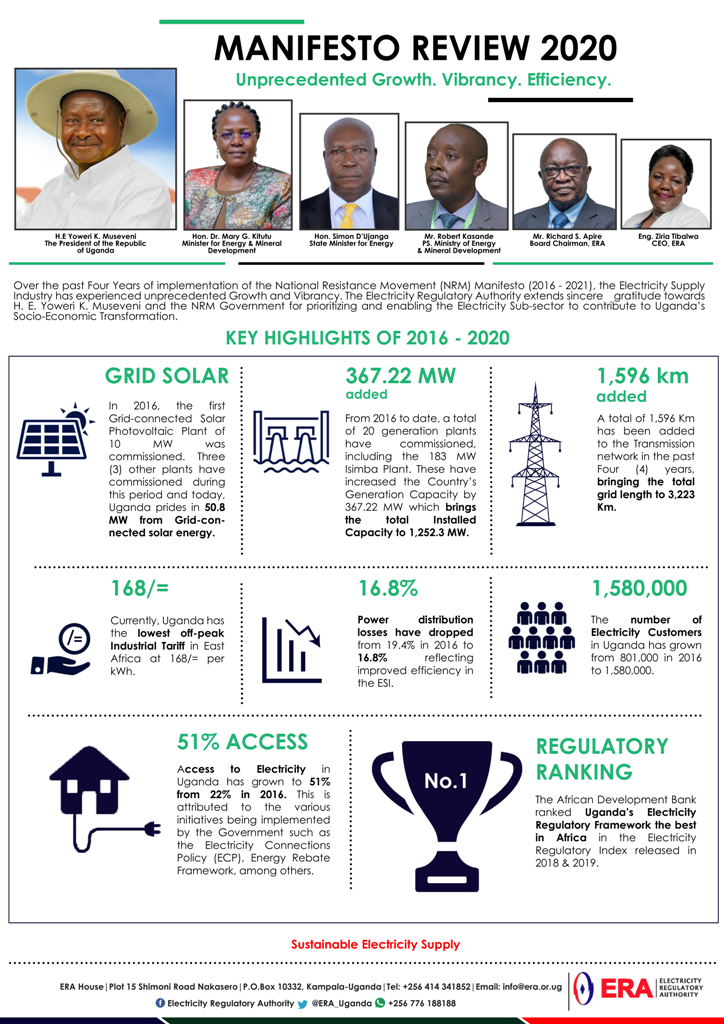
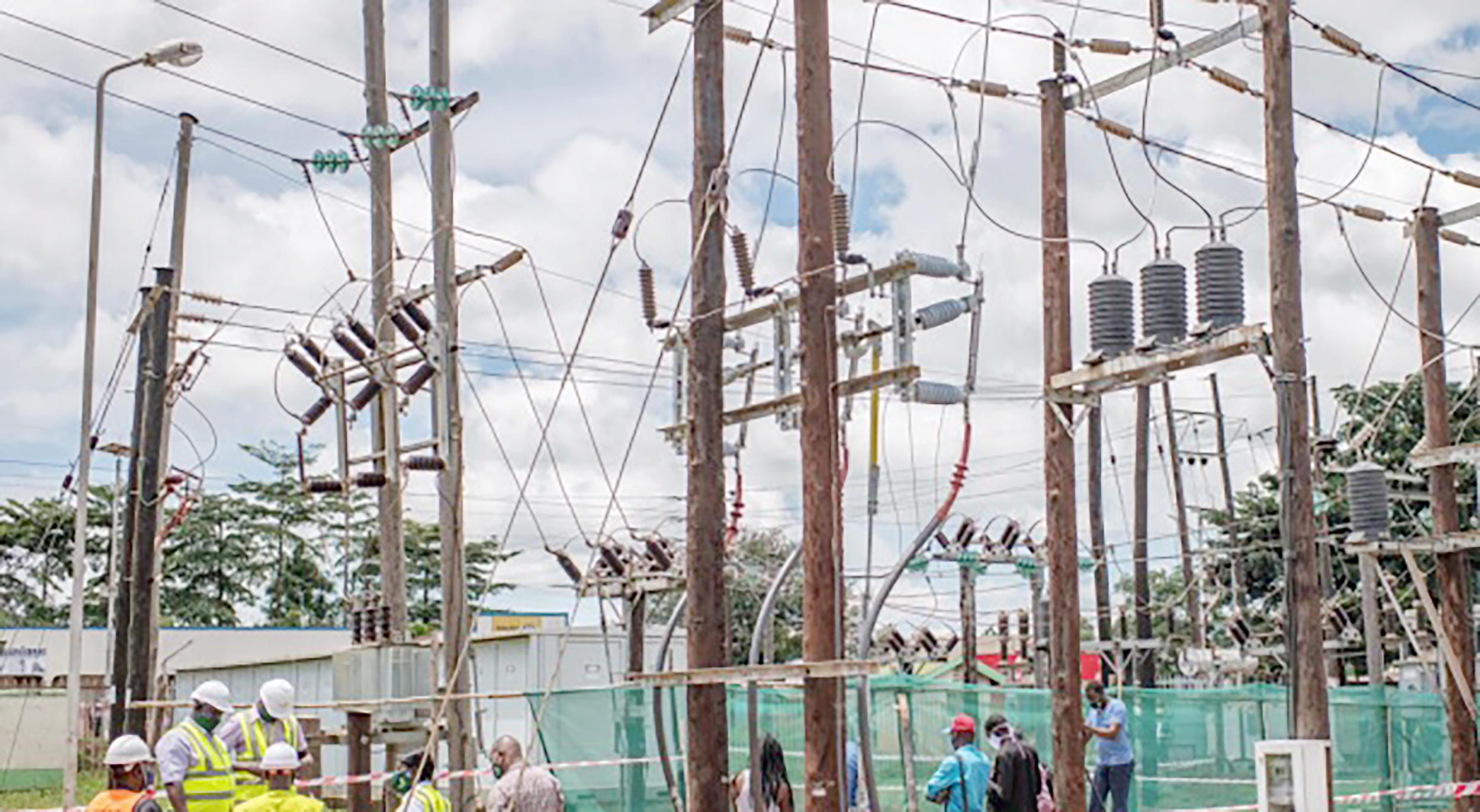
Today, Uganda’s electricity generation capacity exceeds 2,000 megawatts, supported by a transmission grid spanning over 5,300 kilometres and a distribution network of more than 72,000 kilometres. This infrastructure has extended electricity access to millions of Ugandans, powering homes, industries, schools, and health centres. Such achievements are the result of deliberate policy choices that prioritized energy as a foundational element of national development. These choices are reflected in Uganda’s Vision 2040 and the National Development Plan IV, which identify energy access and reliability as central to industrialization, job creation, and regional competitiveness.

The restructuring of the power sector has been instrumental in achieving these outcomes. The establishment of ERA under the Electricity Act introduced a new era of transparency, accountability, and consumer protection. Through its regulatory oversight, ERA has fostered a competitive energy market that encourages private sector participation while maintaining strong government control. This balance has enabled the successful commissioning of major generation projects such as Karuma and Isimba, along with several renewable energy plants. These investments have diversified Uganda’s energy mix and improved grid stability, positioning the country as a potential energy hub in the region.
Rural electrification has been another cornerstone of Uganda’s energy policy. Through targeted programs, thousands of households and public institutions in previously underserved areas now benefit from modern electricity services. This expansion has had far-reaching effects, improving educational outcomes, strengthening healthcare delivery, and enabling small-scale enterprise development. For policymakers, these results underscore the importance of integrating electrification strategies with broader rural development initiatives and ensuring that financing mechanisms remain responsive to community needs.
Uganda’s commitment to renewable energy further reflects its forward-looking approach to sustainable development. Under ERA’s guidance and the government’s policy direction, investments in hydropower, solar, and other technologies have grown significantly. These initiatives not only reduce carbon emissions but also enhance energy security and resilience. As global climate commitments intensify, Uganda’s renewable energy portfolio positions it as a responsible actor on the international stage.
Regional integration is another strategic priority. Uganda’s growing generation capacity and cross-border transmission initiatives support its ambition to become a regional energy leader. ERA continues to engage with regional regulators and development partners to harmonize standards, facilitate power trade, and promote energy security across borders.
As Uganda looks to the future, the energy sector stands at a pivotal moment. Continued progress will depend on strengthening grid reliability, expanding access, enhancing affordability, promoting innovation and smart grid technologies, and ensuring inclusive stakeholder engagement in energy planning. ERA remains committed to supporting these priorities through evidence-based regulation, stakeholder collaboration, and continuous improvement.
On this Independence Anniversary, ERA acknowledges the leadership of the Government of Uganda and the contributions of all stakeholders, generation companies, transmission and distribution utilities, independent power producers, and consumers. Their collective efforts have illuminated Uganda’s path toward prosperity. As the Government charts the next phase of national development, the power sector offers a compelling blueprint for how strategic governance, institutional reform, and inclusive planning can transform lives and drive progress.
The writer is Senior Communication Officer at the Electricity Regulatory Authority