
















On November 25, 2026, a laboratory in Kampala earned a place in the story of Uganda’s dairy industry.
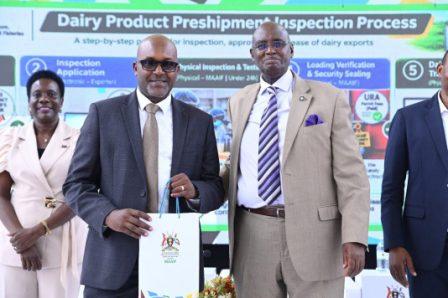
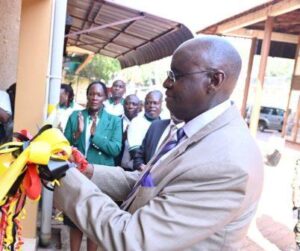
The Ministry of Agriculture, Animal Industry and Fisheries (MAAIF) commissioned an accredited National Dairy Laboratory.
On the same day, it launched a Pre-Shipment Inspection Programme for dairy exports.

The Minister of State for Animal Industry, Hon. Lt. Col. (Rtd) Bright Rwamirama, presided over both launches.
He said the two interventions would protect consumers and make locally produced dairy products more competitive.
He added that they would widen Uganda’s access to regional and international markets.
A Laboratory With a Passport
The National Dairy Laboratory is now accredited by the Kenya Accreditation Service (KENAS) under the ISO/IEC 17025:2017 standard.
According to the Uganda Media Centre, the laboratory first received recognition from the Uganda National Bureau of Standards in 2024.
It then earned KENAS accreditation in 2026 across 15 chemistry and microbiology tests.
In plain terms, the accreditation means the laboratory has been assessed against internationally recognised requirements for testing and calibration laboratories.
That gives buyers, regulators and farmers greater confidence in the reliability and competence of its results.
The route to this point is worth noting.
UNBS runs a laboratory recognition scheme but is not itself an accreditation body, and the scheme is designed to prepare laboratories for accreditation.
Uganda’s own national accreditation service is still being built up, with KENAS training technical officers from Ugandan conformity assessment bodies to help it grow into a fully fledged accreditation body.
So a Ugandan laboratory looked across the border for the stamp of approval that foreign markets recognise.
Quality Along the Whole Chain
Speaking at the commissioning ceremony, Rwamirama stressed the importance of strengthening quality assurance systems across the dairy value chain.
His point was that products reaching consumers and international markets must meet the required safety and quality standards.
He said the government was committed to transforming Uganda’s dairy industry through improved standards, value addition and stronger regulatory systems.
He also pointed to increased export competitiveness as a goal of that transformation.
Checks Before the Truck Leaves
The Pre-Shipment Inspection Programme adds a new layer of quality and safety checks before dairy products leave the country.
Under it, export consignments will be inspected and verified for compliance with the applicable requirements before they depart.
Exporters will send samples to the National Dairy Laboratory for testing before they are granted clearance and certification.
Exporters remain responsible for their own quality controls, accurate documentation and safe handling.
The aim is to reduce the risk of consignments being rejected in destination markets.
A rejected shipment is costly. The exporter loses money, and the country’s name takes a knock.
The inspection system is meant to protect exporters from those losses and to safeguard Uganda’s reputation as a reliable supplier of dairy products.
Why the Stakes Are High
Dairy is now a serious earner for Uganda.
The Ministry of Finance’s dairy industry profile puts formal dairy exports at UGX 978 billion in 2023.
Uganda has more than doubled its milk production over the past decade and increased dairy export revenues eightfold, according to a January 2026 industry report.
Milk powder makes up 54.2% of export value, followed by UHT milk at 33.1%.
Most exports have traditionally gone to neighbouring East African countries, particularly Kenya, but authorities now want to reach further across the continent.
In May 2025, President Yoweri Museveni flagged off Uganda’s first milk shipment to Algeria, with the Dairy Development Authority helping the exporters meet Algeria’s procurement procedures.
Uganda has also shipped dairy products worth about UGX 1.1 billion to Mali.
Those markets are demanding.
Compliance with food safety, quality and certification requirements is critical for sustained market access.
Market access can hinge on compliance even within East Africa.
Kenya’s dairy regulator has allowed imports from certain Ugandan processors while denying another Ugandan brand access, according to Kenyan processor Brookside.
For exporters, a credible test result issued at home can mean the difference between a cleared shipment and a stranded one.
Two Pieces of One Puzzle
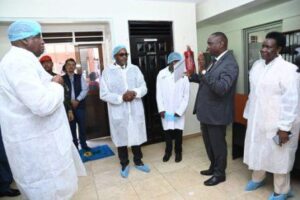
The laboratory and the inspection programme are designed to work together.
The laboratory provides the testing capacity.
The inspection programme provides the verification and regulatory oversight.
Together, they cover dairy products destined for both domestic and export markets.
Part of a Bigger Plan
The commissioning is another step in the government’s agro-industrialisation agenda.
That agenda seeks to raise agricultural productivity, promote value addition, improve product standards and expand export earnings.
Through MAAIF, the government says it wants a safe, competitive and sustainable dairy industry.
It wants an industry that can meet consumer expectations while opening greater opportunities for dairy farmers, processors and exporters.
The Road Ahead
The latest interventions are expected to strengthen confidence in Uganda’s dairy products.
They are also meant to support the country’s ambition to expand its presence in international markets.
For the farmer at the milking shed, the processor at the plant and the exporter at the border, the message is the same.
Quality is now something that can be tested, verified and certified at home before a shipment ever reaches a foreign port.