
















“Musevenomics”: Uganda’s Path to Economic Growth
By The Public Lens
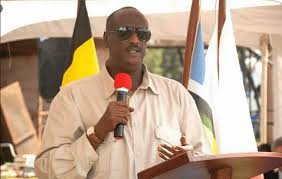
General Caleb Akandanwaho, also known as Salim Saleh, has made a strong appeal to Ugandans to adopt the “Musevenomics” ideology, a set of strategies aimed at propelling Uganda’s economic growth.

In a televised message on UBC TV on September 23, 2024, Gen. Saleh outlined the core principles of Musevenomics, emphasizing its role in transforming Uganda into a modern, self-sustaining economy.
Uganda’s economy was in shambles when the NRM government took power in 1986, following years of civil unrest. President Yoweri Kaguta Museveni developed a comprehensive plan to revive the economy, laying the groundwork for its modernization.
Gen. Saleh reaffirmed the government’s commitment to establishing 25 industrial parks by 2030, with 12 already operational. The Kapeeka Industrial Park is a notable example, designed to benefit the community and boost Uganda’s economic development.
The Musevenomics ideology encompasses 12 key strategies:
– Industrialization: Establishing industrial parks nationwide
– Security: Ensuring safety of persons and property
– Privatization: Encouraging private sector growth
– Liberation: Empowering economic freedom
– Return of Confiscated Properties: Restoring Asian properties seized by previous regimes
– Crop Diversification: Promoting alternative crops, such as coffee in Northern and Eastern Uganda
– Regional Integration: Fostering economic cooperation with neighboring countries
– Universal Primary Education (UPE) and Universal Secondary Education (USE): Enhancing education
– Cost of Doing Business: Streamlining business operations
– Fighting Corruption: Eliminating economic barriers
– Monetarization: Promoting financial inclusion
– Skills Development: Upskilling the workforce
– Youth Employment: Addressing unemployment through industrialization