
















A Day of Giving at the Heart of Kampala
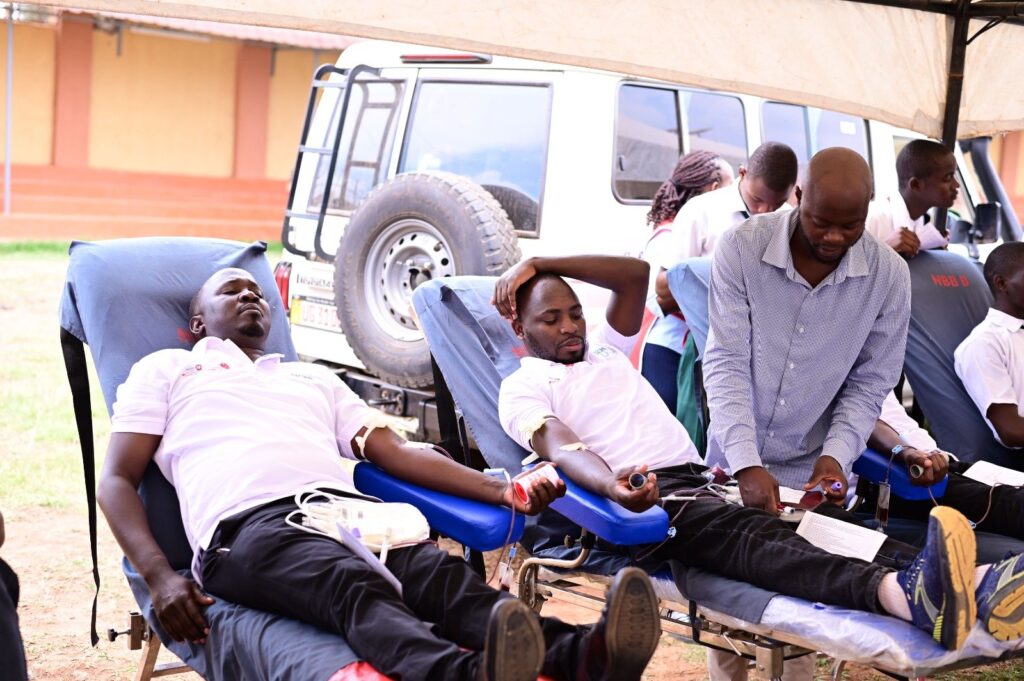
Softcare Uganda has reinforced its reputation as a socially conscious manufacturer after more than 80 employees turned up for a company-organised blood donation drive in Kampala.
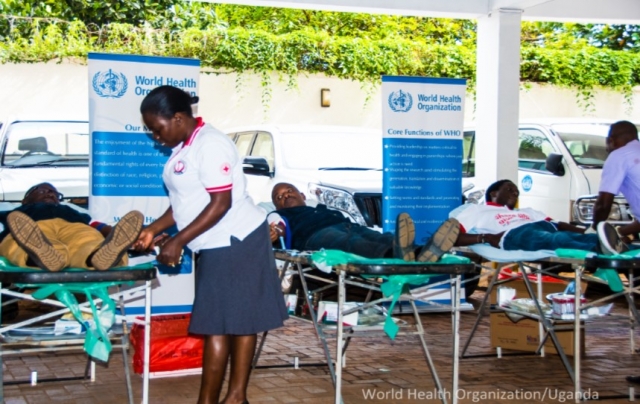
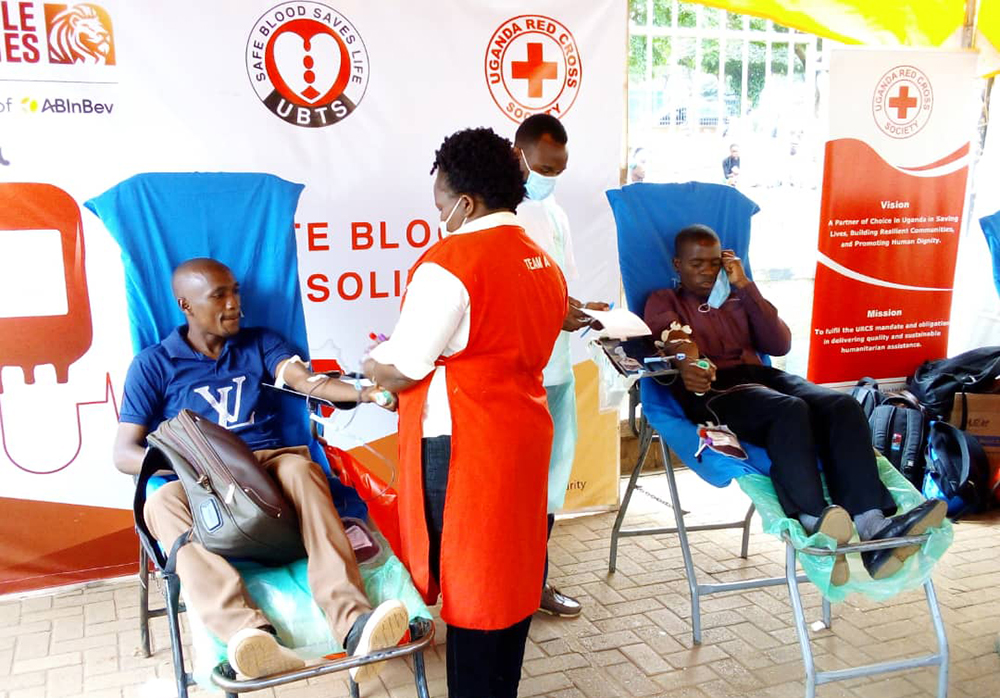
The exercise, held on January 24 at the company’s offices in partnership with the Uganda Blood Transfusion Services, collected over 50 units of blood to support health facilities across the country.

The initiative formed part of Softcare Uganda’s broader Corporate Social Responsibility programme, which has increasingly focused on maternal health, menstrual hygiene, and community welfare.
Company representatives described the blood drive as voluntary and open to all staff members across departments.
Management confirmed that similar exercises will now be organised quarterly.
Employees who participated framed the effort as a gesture of gratitude to communities that have supported the brand’s growth.
One production supervisor, who requested anonymity because he is not authorised to speak publicly, said the activity reflected the company’s broader mission of care.
“We manufacture products that support mothers and babies every day. Donating blood extends that care to people we may never meet,” he said.
Responding to Uganda’s Blood Supply Challenge
Health experts in Uganda have repeatedly warned of persistent blood shortages, particularly during peak demand periods.
Officials at the Uganda Blood Transfusion Services have consistently noted that national demand for blood often exceeds available supply, placing mothers experiencing childbirth complications, accident victims, and surgical patients at heightened risk.
Uganda’s youthful population structure increases demand for safe blood, especially in maternal wards where postpartum haemorrhage remains one of the leading causes of maternal mortality.
Health stakeholders have therefore welcomed private-sector initiatives such as Softcare Uganda’s, describing them as timely and impactful.
Public health advocates argue that coordinated corporate blood drives can supplement community mobilisation campaigns and reduce strain on public facilities.
Experts further maintain that sustained voluntary donations, rather than one-off events, are essential to stabilising national blood reserves.
Tackling Period Poverty Alongside Maternal Health
Softcare Uganda’s CSR activities extend beyond blood donation.
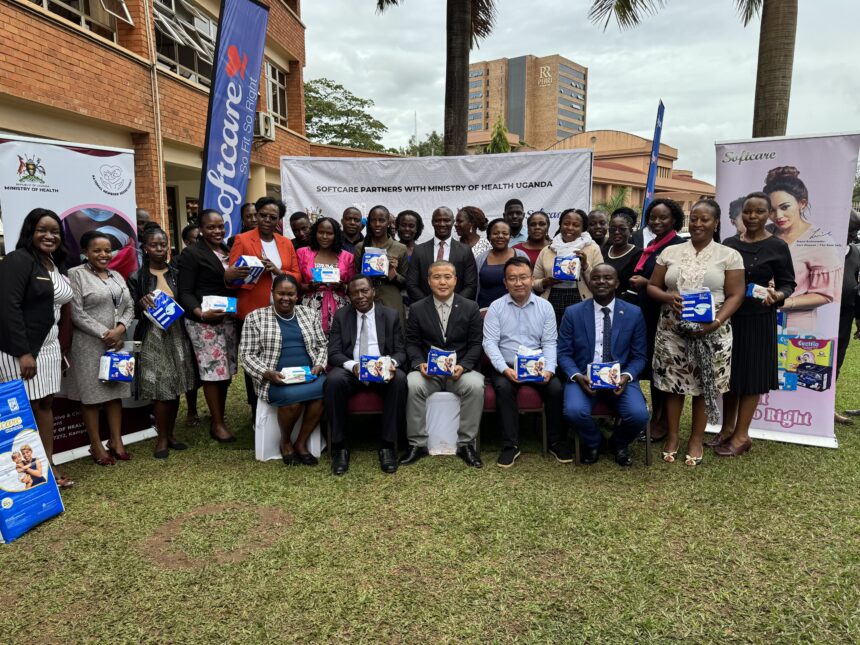
In recent months, the company has distributed hygiene products to schools, orphanages and maternal health centres.
The outreach has included engagements at St. Catherine’s College in Makindye, Family of Africa Orphanage in Biina, and Sweswe Primary School in Kyegegwa District, where girls received reusable sanitary pads alongside menstrual health education.
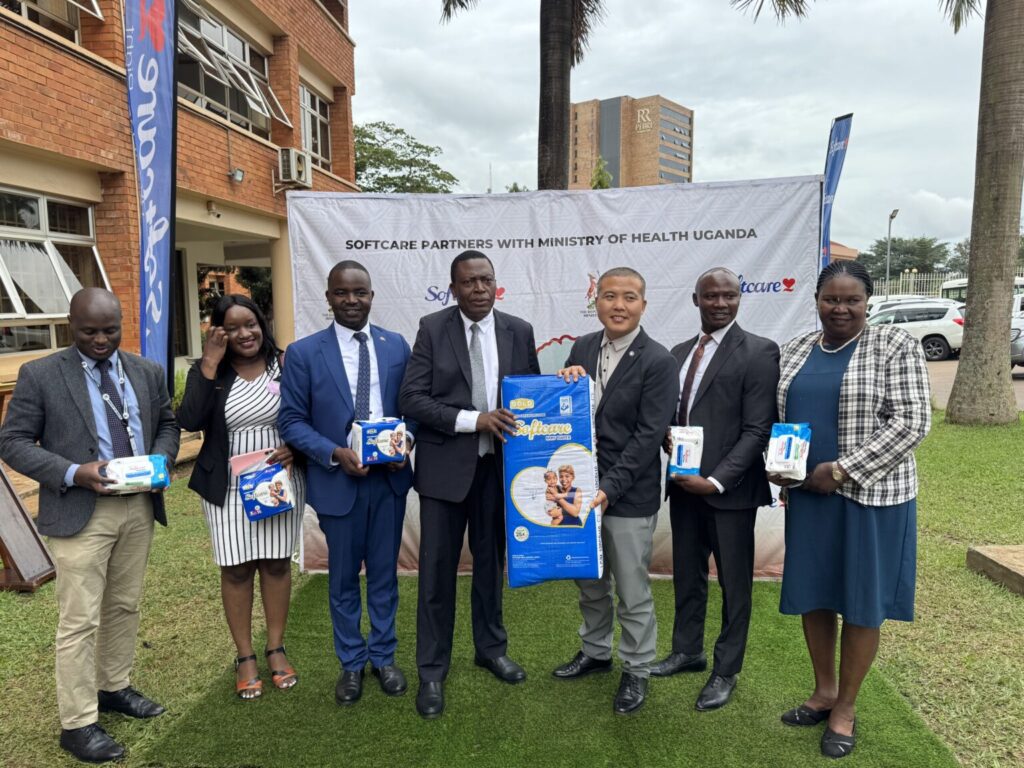
The company also recently delivered baby diapers, sanitary pads and wipes to new mothers at a Kampala-based hospital’s maternity wing.
Public health advocates continue to warn that period poverty remains a barrier to girls’ education, with many students missing school due to lack of access to menstrual products.
Advocates emphasise that limited access to affordable sanitary products contributes to absenteeism, stigma, and long-term educational setbacks for adolescent girls.
By combining menstrual hygiene support with blood donation campaigns, the company says it aims to address multiple health challenges simultaneously.
Local Manufacturing and Affordable Care
Softcare Uganda positions itself as an affordable provider of feminine and baby care products under the slogans “More Care, More Love” and “So Fit, So Right.”
The company states that its focus remains on maintaining quality while keeping prices accessible to low- and middle-income families.
Industry analysts note that local manufacturing has helped stabilise prices for essential hygiene products despite rising global import costs and supply chain disruptions.
Softcare Uganda’s sanitary pads retail at approximately UGX 7,500 per pack, a price point the company says is intended to widen access to safe menstrual products.
A senior manager told Watchdog Uganda that the company’s CSR strategy aligns closely with its production mission.
“Our objective goes beyond commercial success. We want Ugandan mothers and girls to feel confident and supported. When our staff donate blood, it reflects the same values that guide our manufacturing,” the manager said.
A Growing Role for the Private Sector
Experts argue that greater private sector participation could significantly strengthen Uganda’s public health systems.
They say manufacturers and corporate employers are uniquely positioned to mobilise large groups of voluntary donors within short periods.
They further contend that aligning business operations with community needs builds trust and fosters sustainable development.
As Uganda continues to grapple with period poverty and critical blood shortages, initiatives such as Softcare Uganda’s illustrate how local manufacturers can extend their influence beyond factory floors and retail shelves.
The January blood drive therefore stands not only as a corporate event, but as a broader statement about shared responsibility in advancing public health.