
















Parliamentary Setback for National Tribunal Merger Proposal
By The Public Lens
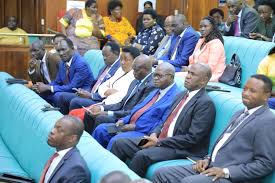
Uganda’s Parliament has rejected the National Tribunal Bill, 2024, citing constitutional concerns and potential conflicts with Article 152 (3) of the Constitution.

The proposed bill aimed to consolidate existing tribunals, including the Tax Appeals Tribunal and the Electricity Disputes Tribunal, but lawmakers argued it would compromise the unique status of tax-related tribunals.
During the bill’s Second Reading on October 24, 2024, the Committee on Legal and Parliamentary Affairs presented a report, accompanied by a minority report from Hon. Jonathan Odur (UPC, Erute County South).
Odur emphasized the constitutional challenges posed by the proposed merger, stressing that tax-related tribunals, like the Tax Appeals Tribunal, are protected under Article 152.
“Taxation is a crucial tool for the government to gather resources for public services. The framers of the 1995 Constitution clearly acknowledged this by giving it a dedicated article—Article 152,” Odur stated.
Odur criticized the committee for inadequate consultation, noting that five additional tribunals were not consulted, including the Public Procurement and Disposal of Public Assets Appeals and the Uganda Communications Tribunal.
He also highlighted the defective Certificate of Financial Implication, which omitted tribunals affected by the bill.
“The Uganda Revenue Authority, a primary stakeholder on taxation matters, was not consulted due to the committee’s time constraints,” Odur added.
Speaker Anita Among advised Minister Nobert Mao to withdraw the bill, prompting Mao to acknowledge concerns and express willingness to revise the proposal.
“We will withdraw the bill and return with a revised proposal,” Mao stated, aiming to address contentious areas before re-tabling the bill.
Committee chairperson Hon. Stephen Mugabi Baka argued the bill doesn’t conflict with Article 152 (3), citing the Constitution’s plural language, which allows multiple tribunals to resolve tax disputes.
“Clause (3) of Article 152 uses plural language, indicating that multiple tribunals can be appointed to resolve tax disputes,” Baka said.
The rejection signals that future tribunal consolidation efforts may require constitutional amendments to avoid similar conflicts.