
















Uganda’s extractive industry made significant strides in 2024, emerging as a key driver of the country’s economic development.
A combination of government-backed reforms, heightened international interest, and a commitment to sustainability positioned the mining and oil sectors for growth.
The Ministry of Energy & Mineral Development’s recent report highlights the industry’s notable transformation, signaling Uganda’s growing prominence on the global minerals map.

In a strategic move, the government launched a state-owned mining company to oversee its equity in mining operations, ensuring Uganda maximizes economic returns from its mining sector.
The government allocated Shs 41.55 billion to mining-related projects, including the Mineral Resource Infrastructure Development Project (MRIP), to boost infrastructure in key mining regions.
This funding aims to improve regulatory oversight, attract more investment, and safeguard against environmental degradation.
The year saw increased exploration activities, particularly in the Karamoja region, where significant deposits of gold and copper were discovered.
These findings position Uganda as a potential competitor in the global mineral market, particularly as demand for critical minerals like lithium and cobalt surges.
Experts suggest Uganda could become a critical supplier for the growing electric vehicle and renewable energy sectors, key to global sustainability goals.
Policy reforms in the mining sector were another major highlight, with amendments to the Mining and Minerals Act, 2021, streamlining the licensing process, improving transparency, and making the regulatory environment more investor-friendly.
The Uganda Chamber of Mines & Petroleum (UCMP) facilitated partnerships between foreign investors and local businesses, further solidifying the sector’s growth trajectory.
Despite global pressures to transition to cleaner energy, Uganda’s oil and gas sector made significant strides in 2024, with a projected capital expenditure of $2.9 billion.
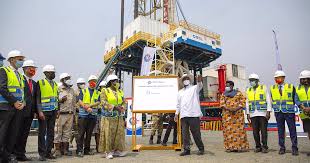
The country advanced key projects, including the East African Crude Oil Pipeline (EACOP) and the Tilenga and Kingfisher oil developments.
These projects are central to Uganda’s strategy of tapping into its oil reserves, with EACOP serving as critical infrastructure to transport crude from the Albertine region to the Tanzanian port of Tanga.
Uganda’s oil industry is aware of the global shift toward renewable energy, and the implementation of the Energy Transition Plan reflects the country’s commitment to a greener future.
The plan aims to blend renewable energy integration with revenue from hydrocarbon resources to fund the transition.
This dual approach underscores Uganda’s desire to leverage its oil and gas reserves responsibly while committing to environmental sustainability.
Collaborations with global energy giants and regional partnerships within the East African Community (EAC) have driven cross-border cooperation in the extractive sector.
As the global demand for critical minerals rises, Uganda is positioning itself as a key player in this emerging market.
The country’s growing mineral reserves, combined with its strategic location and expanding infrastructure, have the potential to transform Uganda into a regional hub for critical mineral production.
The integration of new technologies has boosted transparency and efficiency in the mining sector, attracting foreign investment and streamlining regulatory processes.
However, experts warn that infrastructure gaps, particularly in remote mining areas, continue to hinder operational efficiency.
Investments in transportation and energy infrastructure will be critical for Uganda to fully capitalize on its mineral wealth.
The country’s growing focus on education and training is seen as vital to building a skilled workforce capable of supporting the sector’s expansion.
As more investments flow into the extractive industry, local capacity-building initiatives will help bridge the skills gap and foster greater local participation in the sector.
Looking ahead, Uganda’s extractive industry remains poised for further growth, driven by strategic investments, regulatory reforms, and a stronger focus on sustainability.