















By Our Reporter
Uganda is set to receive a $6.7 million (about Shs 25 billion) climate resilience boost aimed at protecting the country’s endangered shea trees and strengthening livelihoods tied to them.
The five-year project by the Global Environment Facility (GEF) to be implemented by Conservation International in partnership with Uganda’s ministry of Water and Environment, will focus on restoring shea tree populations across four northern districts: Agago, Kitgum, Otuke and Pader, according to the press release.

The project is expected to benefit at least 4,320 people, 60 per cent of them women, over a 4,500-hectare landscape.
“This area and its people have a long history with shea,” said Charity Nalyanya of Conservation International.
“But new external pressures from climate change and global demand are now threatening the traditional livelihoods of rural farmers, many of them women.”
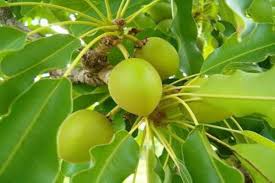
Shea butter and oil, extracted from the nuts of the flowering shea tree, are in high demand globally for use in cosmetics, medicine and food. Yet in Uganda, where the trees grow naturally in woodlands and savannas, shea cover has declined drastically.
Once widespread, the country has lost at least 3.6 million hectares of shea habitat over the last 30 years due to deforestation, land development and worsening droughts. The shea tree (Vitellariaparadoxa) is now classified as vulnerable on the IUCN Red List of threatened species.
The GEF-funded project will target one of the last strongholds of shea trees, a region where more than 80 per cent of residents rely on subsistence farming. With a focus on climate adaptation and inclusive development, the initiative will restore shea tree cover, offer agroforestry training, improve access to finance, and work with local governments to reform land use policies. It also aims to make the shea value chain more inclusive of women and youth.
“This grant is vital,” said Nalyanya. “Without it, we wouldn’t have the scope needed to support farmers as they transition to a more sustainable crop management system. This is about climate justice for communities that contributed little to the climate crisis but suffer its harshest effects.”
She said shea trees also offer natural climate solutions. Their deep root systems help prevent soil erosion, improve water retention, and absorb carbon from the atmosphere — all crucial services in a region facing increasing heat and rainfall variability.
The shea industry in sub-Saharan Africa generates over $200 million annually for 16 million women smallholder farmers. But in Uganda, the productivity of shea trees has diminished during prolonged dry seasons, threatening a key source of income for rural families.
“Climate-smart” strategies, experts say, are essential to protect not just biodiversity but also the food and economic security of vulnerable communities. GEF CEO Carlos Manuel Rodríguez said the Uganda project reflects the deep link between ecological resilience and human wellbeing.
The project, which will run from 2025 to 2029, will be implemented locally in collaboration with the Kampala-based Africa Innovations Institute.