













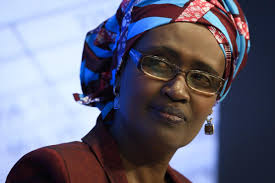
UNAIDS Executive Director Winnie Byanyima has sounded the alarm on the devastating consequences of aid cuts to HIV/AIDS programs, warning that a pandemic that had been on the decline could resurge.
The cuts, initiated by the US government’s PEPFAR program, pose a significant threat to global health gains, potentially leading to four million more AIDS-related deaths by 2029.
The world is facing a dire situation, with the consensus behind the old model of development financing dying, and developing countries increasing their domestic financing where possible.

Byanyima emphasized that other governments are also cutting their contributions, focusing on pressing challenges, which could result in 6.6 million new infections worldwide if the funding gap isn’t filled.
Uganda, with over 1.5 million people living with HIV/AIDS, has been significantly affected by the funding cuts.
The country has made progress in reducing new infections and AIDS-related deaths, but the withdrawal of US funding puts these gains at risk.
The Uganda AIDS Commission has called for an urgent allocation of Shs300 billion to maintain the supply of essential HIV/AIDS drugs and laboratory services.
The funding cuts have particularly affected key populations, including LGBTQ+ individuals, sex workers, and people who use drugs, who have lost access to PrEP services unless they are pregnant or lactating.
Byanyima emphasized the need for new sources of funding to maintain HIV prevention programs for these populations and transform programs to be more self-reliant and sustainable.
The UNAIDS is working with countries to find ways to fund HIV prevention and treatment, and promote domestic financing.
Byanyima stressed that fully financing the HIV response in Africa will produce substantial health, social, and economic gains, saving millions of lives and putting African countries on a path towards building more resilient healthcare systems.