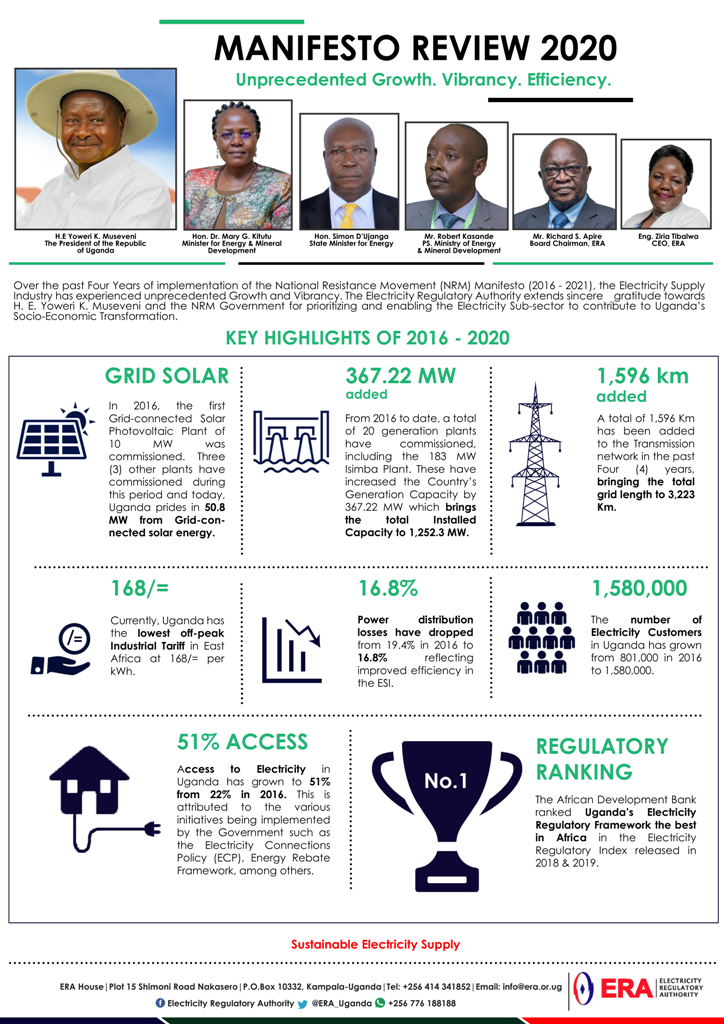

















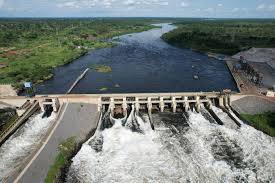
Uganda’s total electricity generation has reached a significant milestone, surpassing 2,000 megawatts (MW) with the completion of the Chinese-built 600-MW Karuma Hydropower Plant.
The country’s energy minister, Ruth Nankabirwa, announced that the nation’s power generation now stands at 2,052 MW.
This achievement marks a major step forward in Uganda’s efforts to secure affordable electricity and drive economic growth.

The Karuma plant, financed by the Export-Import Bank of China, was commissioned by Ugandan President Yoweri Museveni in September last year.
It is the second hydropower project funded by China in Uganda, following the 183-MW Isimba Hydropower Plant, which was commissioned in 2019.
Nankabirwa said the government plans to develop large hydropower projects, as well as geothermal and nuclear energy, to further expand generation capacity in the medium and long term.
This move is expected to support Uganda’s economic growth and development.
According to the minister, more than 2.17 million people have been connected to the national grid.
This advancement is part of the government’s goal of achieving universal electricity access by 2030 through on-grid connections, solar home systems, and mini-grids.
“Rural electrification has improved access, providing reliable electricity that supports economic activities and raises living standards,” Nankabirwa said.
This development is expected to have a positive impact on the lives of Ugandans, particularly in rural areas.