
















Nyombi Brands Vandalism as a Threat to Uganda’s Digital Future and Economic Stability
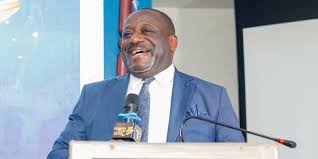
Uganda Communications Commission (UCC) Executive Director, Hon. Nyombi Thembo, has sounded the alarm over increasing incidents of telecom infrastructure vandalism, calling the acts a form of “economic sabotage” that disrupts essential services and severs connections across the country.
Speaking during the official launch of the *TOKIGEZA* campaign in Kampala, Nyombi emphasized that telecom vandalism is not just a technical problem, but a national crisis with far-reaching consequences.

“Every act of vandalism severs communities from opportunities and undermines our collective progress,” he said.
He explained that telecom infrastructure underpins Uganda’s economy, education systems, healthcare networks, and digital services, and damaging it harms millions of people and slows the country’s development.
From 2022 to 2024, Uganda recorded over 1,000 cases of vandalism involving the theft of telecom cables, batteries, fuel, and deliberate tower destruction.
These incidents, Nyombi said, triggered widespread service blackouts and compromised government digital programs, particularly in rural areas.
He warned that beyond the disruption of voice and data services, such sabotage stalls vital government e-services and weakens Uganda’s long-term development goals.
“Vandalism not only disconnects livelihoods but also stalls rural development and government e-services, impacting millions,” Nyombi added.
The TOKIGEZA campaign — meaning “Don’t do it” in Luganda — seeks to mobilize Ugandans to take an active role in protecting the country’s telecom infrastructure by reporting suspicious behavior near telecom sites.
It incorporates radio, television, social media, school outreach programs, and community barazas to educate the public on the importance of infrastructure protection.
UCC is also working closely with law enforcement agencies, local leaders, boda boda riders, and vigilante groups to strengthen grassroots vigilance and deter potential offenders.
MTN Uganda CEO Sylvia Mulinge echoed Nyombi’s concerns, noting the foundational role telecom networks play in national development.
“This infrastructure is our nation’s lifeline. Protecting it ensures our communities and businesses thrive,” Mulinge stated.
President Yoweri Museveni has also backed the initiative, pledging to categorize telecom infrastructure—especially towers—as critical national assets, a move that will introduce tougher penalties for vandals.
Public reaction online has largely supported the campaign, with many users on platforms such as X (formerly Twitter) denouncing telecom vandalism as a “crime against our future.”
Still, some voices have urged the government to improve internal coordination.
Critics like Asumani Bin Umar pointed to infrastructure exposure during Kampala Capital City Authority (KCCA) projects as a factor that can invite vandalism, calling for better inter-agency planning.
In response, Nyombi acknowledged the need for improved collaboration between infrastructure developers and implementing agencies.
He promised greater coordination to prevent accidental exposure of telecom assets during construction works and public projects.
To facilitate public participation, UCC has partnered with telecom operators and the Uganda Police to open toll-free hotlines and secure reporting channels.
Nyombi concluded with a clear and urgent message: vandalism is not a petty crime—it is an assault on national progress.
“It cuts off communities and disconnects livelihoods,” he warned.
Through TOKIGEZA, the government aims to rally every citizen in safeguarding the critical infrastructure that powers Uganda’s digital future and connects its people to opportunity.