








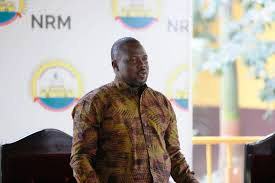
A renewed wave of political energy has swept through the National Resistance Movement (NRM) as the party welcomes back its founding members in preparation for the upcoming general elections.
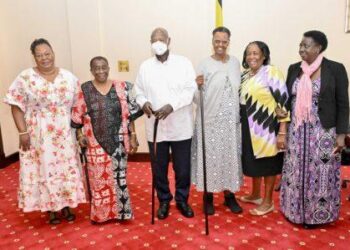
NRM Secretary General Richard Todwong officially received hundreds of veteran cadres known as historicals who played pivotal roles during the Movement era before Uganda adopted a multi-party political system.

“These are seasoned party cadres who were instrumental during the Movement era,” Todwong said. “Many have since retired but continue to play active roles within their communities on a voluntary basis.”
Todwong highlighted that the returning veterans had voiced concerns about the conduct and direction of the party’s recent primary elections.
In response to these concerns, the historicals have reassembled themselves to provide support, mentorship, and reconciliation efforts at the grassroots level.
“They’ve reorganized themselves as a supportive force committed to strengthening party unity at the district level and mentoring current leaders, many of whom lack a deep ideological understanding,” he explained.
He further emphasized that these veterans, having been part of the original Movement structure, bring a rich ideological foundation and a revolutionary mindset that can greatly benefit the current party leadership.
“These returning cadres are eager to contribute to the current leadership, which they perceive as ideologically lacking in understanding the core values of the revolution,” he added.
Todwong announced his intention to report the veterans’ return to the NRM National Chairman, President Yoweri Kaguta Museveni, for further strategic guidance.
“Personally, I believe these veterans can play a critical role in various aspects of the party’s work,” Todwong stated. “They joined out of deep conviction and carry with them a wealth of revolutionary experience.” “Their continued voluntary service is driven by a desire to preserve the legacy they helped build.”
He added that their renewed engagement would aid the party’s efforts in grassroots mobilisation, conflict resolution, and reorienting local leaders toward the values and responsibilities of public service.
“They aim to support the party through mobilisation, conflict resolution, and instilling a sense of purpose in our local-level leaders—reminding them why they serve and helping them reconnect with the needs of the people,” Todwong said.
Tribunal Petitions Awaited
On the subject of electoral petitions, Todwong reassured party members that the NRM would maintain its hands-off approach regarding the outcomes.
“As we’ve consistently said, neither the party secretariat nor the NRM electoral commission interferes with the tribunal’s processes,” he clarified.
“The tribunal operates independently, and we, too, await its rulings.”
Mentorship for Youth Leaders
The return of the historicals was also applauded by Maj. (Rtd) Pollar Awich, the NRM’s Director for External Affairs.
He emphasized the importance of their role in mentoring the next generation of leaders within the party.
“Young people, especially those aspiring for leadership roles, need mentoring from those who truly understand the party’s foundation,” Awich stated. “This mentorship initiative is crucial for preparing youth to lead at various levels—local council, district, and even national.”
With the re-engagement of its founding members, the NRM is positioning itself to reinforce its ideological base, rebuild unity, and prepare the next wave of leadership for a decisive role in Uganda’s political future.