















The Uganda Police Force (UPF) has officially announced a large-scale recruitment exercise targeting 100,000 special police constables who will serve as polling constables during the upcoming 2026 general elections.
This strategic recruitment aims to strengthen election security, ensure the smooth conduct of voting activities, and enhance community-level policing during one of the most sensitive periods in the country’s political calendar.
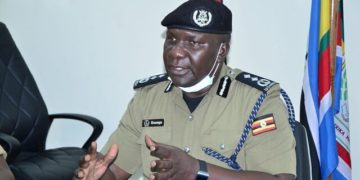
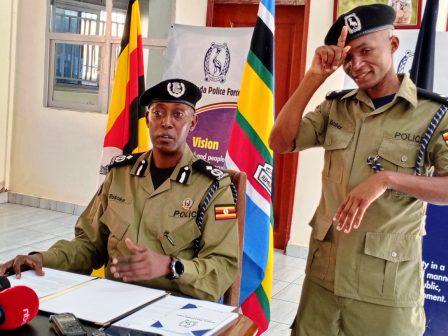
The announcement was made by Police Spokesperson Kituuma Rusoke during a press briefing held at the Police Headquarters in Naguru, Kampala.

Minimum Requirements and Application Guidelines
According to Rusoke, the basic entry requirement for applicants is a Primary Leaving Examination (PLE) certificate or pass slip.
He explained that the recruitment targets ordinary Ugandans with a good record of conduct and community standing.
“All applicants must be Ugandan citizens with a valid National ID, a recent passport-sized photograph, and a clean criminal record,” Rusoke stated.
He further noted that applicants must submit recommendation letters from their Local Council (LC I and LC III) chairpersons as well as from the Gombolola Internal Security Officer (GISO).
“These letters are meant to verify your identity, good behavior, and commitment to serve the country faithfully,” Rusoke emphasized.
Candidates must also be physically fit, ready to work long hours, and willing to serve within their areas of residence or origin, as part of efforts to enhance community trust and localized security during elections.
Training and Remuneration Details
Once selected, recruits will undergo one month of intensive training at designated police training centers across the country.
Rusoke revealed that the training will cover basic policing skills, crowd management, human rights awareness, conflict de-escalation, and election security management.
“The goal is to prepare the constables to assist in maintaining peace and order before, during, and after the 2026 general elections,” he explained.
Each special constable will be contracted for three months and will earn a monthly salary of UGX 469,000, covering the election period and post-election activities.
The constables will work under the supervision of the regular police, particularly in districts and sub-counties, ensuring coordination with Electoral Commission officials and other security agencies.
Zero Tolerance for Corruption and Forgery
In his address, Rusoke issued a strong warning against corruption, forgery, and exploitation of the recruitment process by fraudsters.
He cautioned that any applicant found presenting forged documents or false information will be arrested and prosecuted immediately.
“The recruitment process is entirely free of charge and transparent. Applicants should not pay anyone or go through middlemen. All those promising shortcuts are conmen,” Rusoke emphasized.
The police have set up verification teams at the district level to ensure authenticity of submitted documents and recommendations.
Ensuring Safe, Credible, and Peaceful Elections
The recruitment of special constables is part of a broader national security framework coordinated by the Ministry of Internal Affairs and the Electoral Commission to ensure a peaceful and credible 2026 electoral process.
The constables will assist regular police in safeguarding polling stations, escorting election materials, and managing crowds in high-traffic areas during the voting period.
According to internal security experts, such deployments help prevent incidents of violence, voter intimidation, and election-related crime, particularly in areas known for political tensions.
This move also reflects Uganda’s long-standing practice of strengthening manpower during election seasons, dating back to the early 2000s when the Police began recruiting temporary special constables to supplement regular forces.
Community Policing and National Responsibility
Rusoke emphasized that the recruitment of special constables is not just an electoral initiative but part of a broader effort to promote community policing and national responsibility.
He explained that many of the recruits, after completing their contracts, often become key community security actors, bridging the gap between citizens and law enforcement.
“The special constables form an important link between the Uganda Police Force and the communities they serve,” Rusoke said.
“They help us build trust, gather local intelligence, and prevent conflict through dialogue rather than confrontation,” he added.
Public Response and Next Steps
The announcement has drawn attention from local leaders and youth groups, many of whom see the exercise as an opportunity for temporary employment and civic engagement.
District Police Commanders across the country have been instructed to coordinate the recruitment exercise transparently and publish official schedules through notice boards and verified media channels.
Applicants are expected to apply at their respective district headquarters under the supervision of designated police recruitment committees.
A Call for Patriotism and Discipline
In conclusion, Rusoke urged Ugandans, especially the youth, to treat the opportunity as a patriotic duty rather than a mere job.
“Serving as a special constable is a chance to contribute to peace and democracy,” he said.
“Uganda’s stability and development depend on the participation of disciplined, loyal, and responsible citizens who value peace above politics,” he added.
As Uganda prepares for the 2026 general elections, the Police Force’s move to recruit 100,000 special constables marks a critical step in ensuring the country’s commitment to security, transparency, and orderly democratic participation.