













MPs Demand Action on Escalating Human-Wildlife Conflicts
Parliament has directed the Ministry of Tourism, Wildlife and Antiquities to compensate a family in Kagadi District whose four-month-old baby was killed following a brutal attack by baboons.
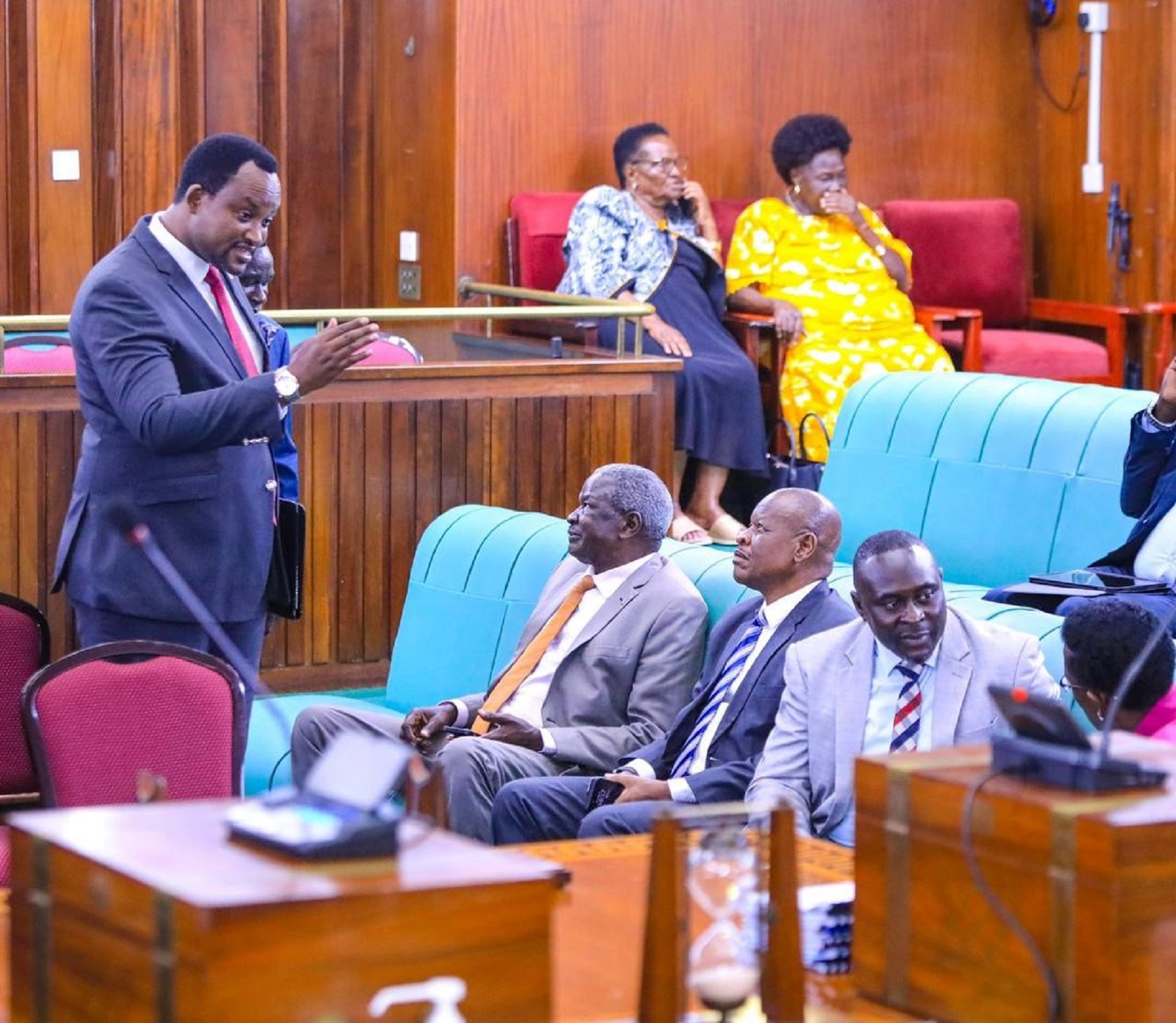
The shocking incident, which has reignited debate over Uganda’s growing human-wildlife conflict, was brought to the attention of legislators during a plenary sitting on Thursday, October 30, 2025.

Deputy Speaker of Parliament Thomas Tayebwa issued the directive, expressing deep concern over the persistent attacks by wild animals in communities bordering forest reserves and national parks.
He said that the tragic loss of the infant was a reflection of a much broader and worsening problem that government could no longer ignore.
“People say they have been reporting these incidents to the authorities, but no action has been taken. This is a big problem in Kagadi and other areas where there is human-wildlife conflict,” Tayebwa said.
He revealed that fear of animal attacks had disrupted normal life in Kagadi District, with parents keeping their children at home and many residents abandoning farming activities to protect their families.
“Children in Kagadi no longer go to school, and parents are not working, in a bid to protect their children from wild animals,” Tayebwa added.
The Deputy Speaker directed the Ministry of Tourism, Wildlife and Antiquities to provide compensation to the affected family and to develop concrete measures to prevent further loss of life.
Parliament also tasked the ministry to present a comprehensive statement detailing steps taken to address the human-wildlife crisis and to propose sustainable long-term interventions.
Calls for National Response
The debate was amplified by several legislators representing areas bordering Uganda’s national parks and forest reserves, who narrated similar experiences of unending wildlife attacks.
Ntoroko County Member of Parliament, Hon. Ibanda Rwemulikya, said communities living around Semuliki National Park were facing daily encounters with baboons and other wild animals.
“In Kanara Town Council, we have a number of cases where children were snatched and injured by baboons. Parents are footing expensive medical bills, and there is no compensation for them,” Rwemulikya said.
He called for a nationwide investigation into such incidents and demanded that the Ministry of Tourism, Wildlife and Antiquities act decisively to protect citizens living close to wildlife habitats.
“The government must take responsibility and ensure that these communities are not left to suffer silently. The situation has reached an alarming level,” he added.
Wildlife Authority Accused of Harassment
Hon. Richard Wanda, the Member of Parliament for Bungokho Central County, added another layer to the debate, accusing officials of the Uganda Wildlife Authority (UWA) of mishandling relations with local communities in the Elgon region.
“They harass locals over boundaries, and sometimes lives have been lost because these staff shoot people and destroy property, including buildings and crops,” Wanda said.
He urged the ministry to develop a national action plan to improve wildlife management, enhance community engagement, and prevent confrontations between residents and park rangers.
“The minister should develop an action plan to address the challenges of wildlife management,” he stressed.
Human-Wildlife Conflict: A Growing National Crisis
Experts have long warned that Uganda’s expanding human settlements, coupled with rapid population growth and deforestation, are intensifying encounters between humans and wildlife.
Districts such as Kagadi, Ntoroko, Kibaale, Kasese, Hoima, and parts of the Elgon sub-region have emerged as hotspots for such conflicts. Residents frequently report attacks by elephants, baboons, monkeys, and buffaloes, which destroy crops, injure people, and occasionally claim lives.
Data from the Uganda Wildlife Authority indicates that more than 500 cases of human-wildlife conflict were reported across the country in 2024 alone, a figure believed to be higher in 2025 due to continued habitat encroachment and climate-related migration of animals.
While the Uganda Wildlife Act (2019) provides for compensation to victims of wildlife attacks, implementation has been slow and limited by funding shortfalls.
Many affected families continue to struggle without support, prompting growing frustration among communities living near protected areas.
Parliamentary Pressure for Policy Reform
Lawmakers are now pushing for a comprehensive review of Uganda’s wildlife management strategy to balance conservation efforts with community safety.
They argue that the existing approach, which prioritizes protection of wildlife without addressing the security of residents, has created resentment and undermined local cooperation in conservation.
Deputy Speaker Tayebwa emphasized that the issue was not just about one tragic case but about restoring confidence among citizens who feel abandoned.
“Communities living near national parks should not be forced to choose between safety and survival. It is the government’s duty to protect them while safeguarding our natural heritage,” Tayebwa said.
Ministry on the Spot
The Ministry of Tourism, Wildlife and Antiquities is expected to present a detailed statement to Parliament outlining immediate actions taken, progress on compensation to affected families, and long-term plans to mitigate future incidents.
Lawmakers have proposed greater community involvement in wildlife monitoring, construction of stronger barriers along park boundaries, and investment in rapid response units to handle animal incursions.
As Uganda continues to promote tourism as a cornerstone of economic growth, legislators warn that the sustainability of the sector will depend on finding an equitable balance between protecting wildlife and safeguarding human lives.
The fatal baboon attack in Kagadi has thus become a symbol of a deeper national challenge — one that Parliament insists must now be addressed with urgency, compassion, and accountability.