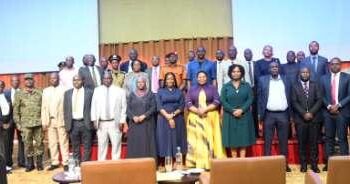











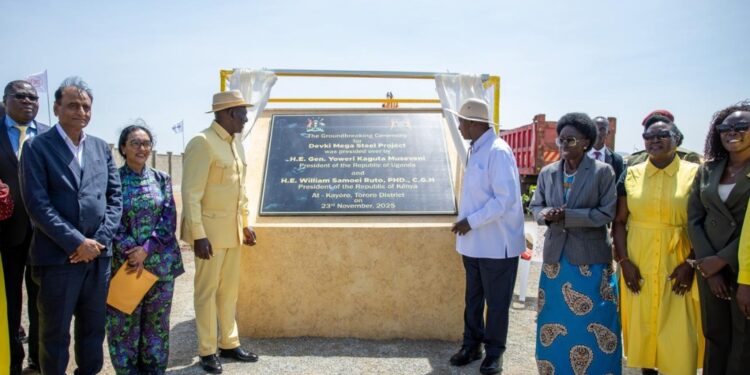
East Africa has taken a historic leap toward industrial self-sufficiency following the groundbreaking of the USD 500 million Devki Mega Steel Plant in Kayoro Village, Osukuru County, Tororo District, a project jointly officiated by President Yoweri Kaguta Museveni and Kenyan President William Samoei Ruto.
The ceremony marked the launch of one of the region’s largest and most vertically integrated steel complexes, a development economic analysts say could redefine Africa’s industrial landscape, reshape regional trade, and significantly reduce the continent’s dependence on imported steel products.
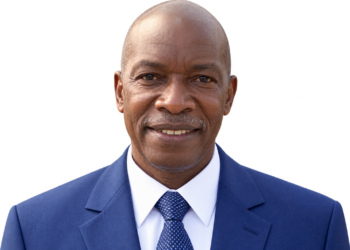
The plant is an investment by renowned Kenyan industrialist Dr. Narendra Raval of the Devki Group, whose companies have a long history of manufacturing cement, steel, and metal products across the region.
The mega facility is expected to employ 15,000 Ugandans at commencement across Tororo and Mbarara, with Dr. Raval confirming that most of these jobs will be tied to integrated iron and steel operations supported by investments already established in multiple districts and the upcoming Kabale iron ore refinery.
Dr. Raval emphasized that the core purpose of the project is to create jobs and industrial capacity for Ugandans, stating that, “The majority of these jobs will come from the integrated steel operations and related activities supported by investments already made in Tororo, Mbarara, and the upcoming Kabale iron ore refinery.”
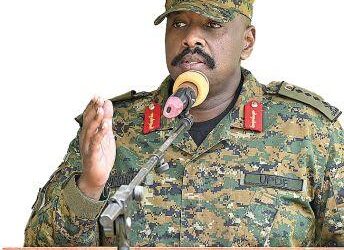
President Museveni used the occasion to reflect on Africa’s long and painful economic history, reminding the audience that the continent has endured centuries of exploitation that denied it the opportunity to industrialize.
He said Africa’s wealth has been extracted for over 500 years through slavery, colonialism, and modern practices that export raw materials without adding value.
President Museveni declared, “Today, with the groundbreaking ceremony of the Devki Mega Steel project in Tororo, alongside H.E President William Ruto of Kenya, we are in the process of liberating Africa.”
He emphasized that this liberation must include a permanent break from the habit of exporting minerals in raw form and surrendering jobs to other continents.
He said, “At full operationalization, we shall be one step closer to reversing the squandering of Africa’s resources—human, mineral, jobs, and foreign exchange.”
President Museveni thanked President Ruto for encouraging Dr. Raval to invest in Uganda, noting that Kenya’s support demonstrates a shared regional vision in which African industries feed African markets.
He congratulated Dr. Raval for choosing to build in Uganda and urged him to ensure that steel sheets and other intermediate products are manufactured locally in order to retain value within Uganda’s borders.
The President further announced that Dr. Raval is set to launch another major iron ore project in Kabale, expected to create more than 16,000 new jobs and expand Uganda’s industrial footprint.
He cautioned local communities not to frustrate investors with compensation wrangles and assured the public that government will manage all necessary payments.
He said, “The man is going to invest USD 500 million here, so please don’t bother him about money for compensation. The government will handle that.”
President Museveni warned that Uganda currently loses an estimated USD 5 billion annually through imports that could be locally produced and used the argument to justify accelerated industrialization.
He criticized the region’s dependence on long-distance road transport for bulk cargo, calling it “irrational,” and welcomed Kenya’s expansion of the Standard Gauge Railway (SGR), which he said will lower transport costs and support mega industries like Devki Steel.
He added, “What is happening here shows you that the future is bright, and the rest will come.”
President Ruto, who travelled to witness the event, described the ceremony as more than the launch of a factory, calling it a defining moment in Africa’s journey toward industrial liberation.
He praised President Museveni for his long-standing commitment to African industrial development and regional integration.
He said, “We convene here not just to commission a factory, but to usher in a new, audacious chapter in Africa’s industrialization ambitions.”
President Ruto emphasized that the steel plant will boost employment, strengthen supply chains, and anchor East Africa’s growing demand for steel products.
He noted that Africa’s steel consumption is projected to rise from 39.5 million tonnes in 2024 to 52 million tonnes by 2034 and said regional manufacturing capacity must match this demand.
He said the Devki plant is projected to grow to 20,000 employees across East Africa by 2027, strengthening local economies and reducing the cost of imported steel.
President Ruto also announced that Kenya will, beginning January, launch the next phase of the Standard Gauge Railway from Mombasa to Naivasha and from Rironi to Malaba, with a long-term plan to extend the line to Tororo to support large-scale industries.
Dr. Raval, who was visibly appreciative of Uganda’s support, thanked President Museveni for guiding the project and insisting that it be located in Tororo to benefit local communities.
He pledged that local residents would play a central role in the factory’s workforce.
He said, “At this juncture, I would like to promise the Tororo community that whatever employment will be in the factory, 90% of the jobs will be allocated to Tororo and the surrounding communities only.”
He reiterated that Uganda and the region cannot achieve prosperity without industrialization.
He said, “Importing steel is importing poverty. We must produce here, create jobs here, and empower the youth.”
He also praised President Ruto for stabilizing Kenya’s economy and curbing inflation, saying the reforms have created a healthy investment environment for regional industries.
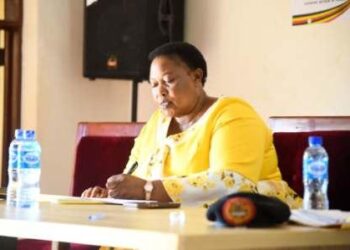
First Deputy Prime Minister and Minister for East African Community Affairs, Rebecca Kadaga, said the plant represents a major milestone in regional industrial integration and strengthens East Africa’s commitment to shared development.
Energy Minister Ruth Nankabirwa described the groundbreaking as a landmark achievement in Uganda’s industrialization journey.
She said the project aligns with government commitments to expand industrial capacity and insisted that the plant must deliver real economic and social benefits to surrounding communities.
She thanked President Ruto for his support and applauded the regional collaboration that made the investment possible.
As construction begins, economic analysts project that the Devki Mega Steel Plant will become one of East Africa’s most transformative industrial facilities, providing thousands of jobs, reducing imports, powering regional value chains, and positioning Uganda as a key player in Africa’s steel manufacturing space.
The investment is expected to stimulate mining, logistics, energy, and engineering sectors, marking a new chapter in the region’s economic liberation.