















As Uganda intensifies preparations for the 2026 general elections, the Uganda Police Force has issued a fresh and stern directive targeting a controversial practice that has been increasingly witnessed on campaign trails—the misuse of ambulances as lead escort vehicles for political candidates.
The warning, delivered at Police Headquarters in Naguru, comes at a time when security agencies are closely monitoring political activities across the country to ensure compliance with electoral laws, traffic regulations, and public safety standards.
The 2026 campaign season—covering presidential, parliamentary, local government, and special interest group positions—has seen an unprecedented surge in campaign convoys, crowd movements, and heightened political competition following the Electoral Commission’s issuance of the official roadmap.

It is within this intensified atmosphere that the misuse of medical emergency vehicles emerged as a pressing concern for both police and the Ministry of Health.
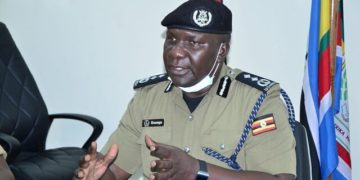
Police Spokesperson Kituuma Rusoke, addressing journalists during a weekly security briefing, underscored that some candidates and their campaign teams have begun deploying privately owned ambulances at the front of their convoys to forcefully clear routes and bypass traffic.
He emphasized that this practice not only violates national traffic laws but also undermines the intended purpose of ambulances as life-saving vehicles reserved strictly for emergencies.
He stressed, “Ambulances are for emergencies, and any driver caught misusing them will be arrested for violating traffic laws.”
He further clarified that under Uganda’s traffic regulations, ambulances are required to stay at the rear end of convoys unless they are transporting a patient in need of urgent medical attention.
He said they should not operate as siren-blaring escorts, nor should they be used to intimidate road users or obstruct normal traffic flow.
Beyond the ambulance misuse issue, police highlighted a range of additional concerns emerging during the campaign period.
Among these challenges is the transportation of supporters in overcrowded and unsafe vehicles such as open trucks and motorcycle groups, practices that expose passengers to serious risks on busy highways.
Police also expressed worry over processions that disrupt traffic, block major routes, or ignore established traffic rules in the excitement of political mobilization.
Kituuma disclosed that security agencies have also identified criminal elements disguising themselves in political party colors, using campaign crowds as cover to steal from unsuspecting members of the public.
He cautioned, “There are criminal groups disguising themselves in party colors and moving in gangs with the intention of robbing unsuspecting members of the public during campaign events.”
He urged candidates and campaign managers to enhance coordination and maintain peaceful coexistence with their rivals to prevent unnecessary confrontations or mob clashes.
He appealed for mutual respect among political actors and adherence to established guidelines to preserve peace and prevent avoidable violence.
Despite the growing number of incidents and operational challenges, Kituuma assured Ugandans that the police—together with sister security agencies—remain fully committed to guaranteeing security throughout the campaign season.
He emphasized the force’s preparedness to keep the electoral environment stable, orderly, and safe for all citizens irrespective of political affiliation.
He concluded by reaffirming the police’s role in safeguarding democratic processes while ensuring that political activity does not compromise public health, safety, or the integrity of emergency response services.
With campaigns expanding nationwide and election activity intensifying, the police message serves as a strong reminder that national laws remain in force and that the misuse of ambulances—and other emerging campaign-related violations—will not be tolerated as Uganda moves closer to the 2026 polls.