















A significant step in the fight against HIV is unfolding as the Ministry of Health Uganda prepares to roll out a new long-acting prevention injection across the country.
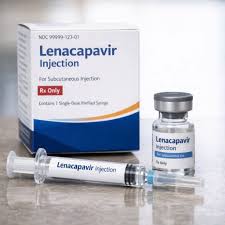
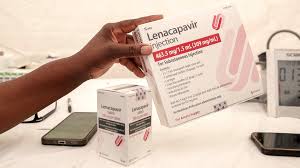
The rollout of Lenacapavir is set to begin at Lira Regional Referral Hospital, marking a major milestone in Uganda’s ongoing battle against the virus.
This development follows global guidance from the World Health Organization, which last year recommended the use of injectable lenacapavir as an additional option for HIV prevention.
Health officials describe the drug as a game changer due to its twice-yearly dosing, which reduces the burden of taking daily pills.
Lenacapavir is the first of its kind, offering long-term protection with only two injections per year, making it particularly suitable for people who struggle with daily medication adherence.

How the New Injection Will Be Rolled Out
According to Emmanuel Ainebyona, Communications Manager at the Ministry of Health, the rollout will prioritize areas most affected by HIV.
He explained that districts with high infection rates and vulnerable populations will be targeted first to maximize impact.
Health workers have also been instructed to carefully assess individuals before administering the injection.
Ainebyona emphasized that the drug is not a vaccine but a preventive treatment given to individuals who are HIV-negative but at high risk.
He noted that “health workers will be tasked with investigating any person that will be asking to be given the drug before being injected.”
Initial rollout efforts will focus on districts such as Kazo, Mbarara, and Ibanda in the Ankole sub-region.
Facilities including Kazo Health Centre IV, Bufunda Health Centre IV, and Bwizibwera Health Centre IV will spearhead implementation alongside over 120 health facilities nationwide.
Who Will Benefit from Lenacapavir
Dr. Edgar Kansiime, the Kazo District Health Officer, explained that the injection is specifically intended for people at high risk of infection.
These include discordant couples, adolescent girls, and other vulnerable groups.
He clarified that the injection will only be given to individuals who test negative for HIV but are at risk of exposure.
Dr. Kansiime said the innovation is expected to significantly improve adherence compared to daily oral medication.
He, however, urged the public not to abandon other preventive measures.
He emphasized that “the long-acting injection will improve adherence and reduce the burden of daily tablets,” while cautioning that condom use and other methods remain essential.
Understanding HIV: What It Is and How It Spreads
HIV is a virus that attacks the body’s immune system, specifically the CD4 cells, weakening the body’s ability to fight infections.
If not treated, HIV can progress to AIDS, the most advanced stage of the infection.
HIV is mainly transmitted through unprotected sexual intercourse with an infected person.
It can also spread through contact with infected blood, sharing contaminated needles, and from mother to child during pregnancy, childbirth, or breastfeeding.
The virus is not spread through casual contact such as hugging, shaking hands, or sharing food.
Signs, Symptoms, and Prevention
In its early stages, HIV may present with flu-like symptoms such as fever, fatigue, sore throat, and swollen lymph nodes.
As the infection progresses, symptoms may include weight loss, chronic diarrhea, persistent cough, and recurrent infections.
Some people may live for years without noticeable symptoms, which is why testing is critical.
Prevention methods include consistent condom use, regular HIV testing, avoiding sharing sharp objects, and use of preventive treatments such as PrEP.
The introduction of Lenacapavir now adds a powerful new tool to this prevention arsenal.
Uganda’s Long Battle with HIV
Uganda has one of the most documented histories in Africa when it comes to fighting HIV.
The epidemic first gained attention in the 1980s, particularly in communities around Lake Victoria, where it spread rapidly.
At its peak in the early 1990s, Uganda faced one of the highest HIV prevalence rates in the world.
The country responded with aggressive public health campaigns that emphasized awareness, behavior change, and community involvement.
These efforts led to a significant decline in infection rates, earning Uganda global recognition as a model in HIV control.
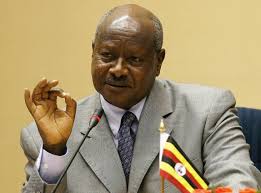
Museveni’s Role in the Fight Against HIV
Yoweri Kaguta Museveni has been a central figure in Uganda’s response to HIV since the early years of the epidemic.
He openly acknowledged the crisis at a time when many leaders avoided discussing it, helping to reduce stigma and encourage public dialogue.
Museveni championed the “ABC strategy”—Abstinence, Be faithful, and Condom use—which became a cornerstone of Uganda’s early success.
In past speeches, he emphasized the importance of discipline and awareness in fighting the disease.
“We must fight this disease through behavior change and awareness,” Museveni has previously stated, urging citizens to take personal responsibility.
He has also consistently called for community involvement, arguing that government efforts alone are not enough.
“The fight against HIV is not just for government; it is for all of us,” he has said in earlier campaigns.
Under his leadership, Uganda expanded access to testing, antiretroviral therapy, and prevention programs.
His administration also worked closely with international partners to scale up funding and research efforts.
The Current Situation and Future Outlook
Despite progress, Uganda continues to face challenges, with over 1.5 million people living with HIV.
Statistics show higher prevalence among women compared to men, highlighting ongoing gender-related vulnerabilities.
Recent figures indicate thousands of new infections annually, underscoring the need for sustained intervention.
Health officials believe that innovations like Lenacapavir could significantly reduce new infections if widely adopted.
The introduction of this injection signals a new phase in Uganda’s HIV response, combining past lessons with modern medical advances.
As the country embraces this new tool, the message remains clear that prevention, awareness, and collective responsibility are still at the heart of the fight against HIV.