















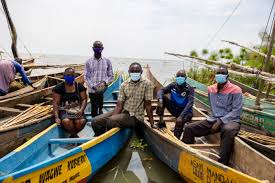
Protecting Uganda’s Lakes is President Museveni’s Vision for Sustainable Fish Production
By The Public Lens
President Yoweri Kaguta Museveni has emphasized the government’s commitment to protecting Uganda’s lakes, ensuring sustainable fish production for future generations.

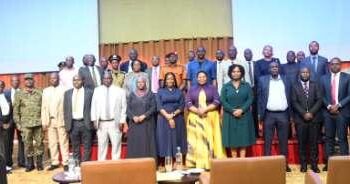
“A lake is a common property for all Ugandans,” President Museveni noted during a meeting with ministers, technical staff, and stakeholders at State House, Entebbe, on November 5, 2024. “Lakes, mining sites, etc. are not personal properties… this business of going to the lake and deploying yourself there that you are a fisherman should be solved.”
Uganda boasts an impressive array of water resources, including five major lakes (Victoria, Albert, Kyoga, Edward, and George) and over 160 minor lakes, rivers, swamps, and floodplains, offering immense potential for fish production.
To address challenges facing the fisheries sector, President Museveni advocated for advanced technological solutions, such as modern radars to monitor water bodies. “The reason I had to deploy soldiers was because there was a crisis on the lakes… now, the army is ready with upgraded monitoring systems.”
Additional measures include deploying a new system on Lake Victoria and introducing digital identification for boats to enhance coordination and economic benefits.
President Museveni also encouraged the use of old National Resistance Movement (NRM) techniques, such as bi-monthly meetings, to gather information from local communities. “The population is a free mirror… every two months, call for a meeting and ask how your soldiers are behaving.”
Furthermore, the President emphasized prioritizing indigenous people in lake management once the fishing industry is modernized.
He urged communities to stop encroaching on swamps, offering government support to establish fishponds and restore wetlands.
According to Joseph Bwanika, Acting Commissioner for Fisheries, the fisheries sub-sector contributes 3.5% to Uganda’s GDP, 12% to agricultural GDP, and employs approximately 5.3 million Ugandans along its value chain.