











President Museveni’s promise to mitigate poverty during the 2021 campaigns has been a beacon of hope for millions of Ugandans trapped in subsistence living.
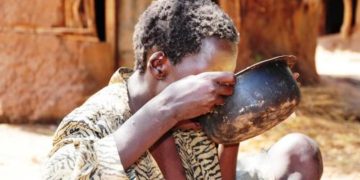
He emphasized that it was unacceptable to have 3.5 million households excluded from the money economy, unable to produce or purchase basic necessities.
The latest census report by UBOS reveals that 67% of Uganda’s 10.7 million households are now part of the money economy, with something to sell and the capacity to purchase what they need.

However, 33% or 3.5 million households still live under subsistence, struggling to satisfy their basic needs.
The Parish Development Model (PDM) was introduced to emancipate these vulnerable households.
According to Secretary to Treasury Ramathan Goobi, Shs2.06 trillion was allocated to cover these groups under the PDM arrangement, targeting 10,589 parishes.
However, the President has discovered that extortion and theft of PDM funds are widespread, and he has vowed to take action against those responsible.
The PDM cash is meant to empower households to earn money through productive activities and break away from subsistence living.
The census report shows that only 24% of the targeted households have benefited from the PDM intervention, with 832,746 households impacted as of May 2024.
Sebei sub-region has registered the highest impact, with 76% of targeted households benefiting, while Busoga sub-region has the least impact, with only 14.3% of households benefiting.
The report also reveals a significant gender disparity, with males benefiting more than females from the PDM intervention.
Male-headed households account for 628,561 of the impacted households, while female-headed households account for only 204,185.
The UBOS census report highlights the need for continued efforts to address poverty and inequality in Uganda
As the government works to implement the PDM and other interventions, it is essential to address the challenges and disparities that persist.