













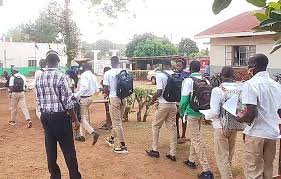
A growing sense of fear and frustration is sweeping through Mbale City as residents, students, and parents grapple with a disturbing rise in gang-related violence, extortion and intimidation within the city’s secondary schools.
What was once considered a safe environment for learning has increasingly become a battleground dominated by student-led gangs, leaving victims scarred and communities desperate for protection.
Disturbing reports have surfaced implicating notorious gangs like the “Kayondo Boys” and the “Virgin Breakers” in a wave of criminal activity across schools such as Nkoma Secondary School and Mbale High School.

These groups have been linked to a pattern of harassment, physical attacks, and threats, targeting vulnerable students and extorting money from them.
“The alleged activities of these gangs include extortion, phone snatching, violence, intimidation, and humiliation,” said Namboyo Isaiah, a concerned local resident who spoke to journalists on Thursday, July 31.
He described a chilling incident in which a Senior Four student named Shafik Wasike was stabbed to death by a rival gang member.
“The authorities have been informed, but the response has been questioned,” Namboyo added, reflecting widespread dissatisfaction with the current handling of the crisis.
Another source, who requested anonymity for fear of retaliation, painted a bleak picture of life in schools under siege.
“Gangs have taken over. Senior One students are being forced to pay money to attend school and for their own protection,” the source explained. “The school system has failed miserably.”
With the situation deteriorating, the public has begun demanding immediate government intervention to restore order and safety.
Calls are intensifying for the formation of a specialized security task force in Mbale City to address school-based gang activity directly and effectively.
When contacted, Mbale Assistant Resident City Commissioner (ARCC) Kadimba Hussein acknowledged the seriousness of the issue and confirmed that it is being reviewed at high levels.
“We are working on it. We had a meeting about the same matter this morning. Don’t worry—we are going to handle it,” he assured the public.
This latest wave of insecurity in schools follows closely on the heels of another shocking incident that shook the community—a brutal murder in Busajja-Bwankuba B, Mbale City, on June 11.
In that case, a young woman was hacked to death by two men, prompting enraged residents to lynch one suspect while the other escaped.
Kadimba, who visited the crime scene, labeled the situation as “overwhelming,” citing escalating drug abuse and a breakdown of societal values as contributing factors.
“The murdered woman had just been married,” he said, while also condemning the rise in mob justice as an alarming consequence of the mounting insecurity.
The twin crises—in schools and in the broader community—have stirred urgent calls for long-term reforms.
Community leaders and education stakeholders are pressing for a multifaceted response that includes a school-focused law enforcement presence, reinforced police posts in high-risk zones, and stronger collaboration between school administrations, parents, and law enforcement agencies.
In addition to heightened security, there is a growing consensus on the need for rehabilitation services targeting student gang members, as well as intensified crackdowns on drug trafficking and other criminal networks that fuel this cycle of violence.
Without swift, coordinated action, many in Mbale fear that the situation could spiral further out of control, putting the lives of young people at greater risk and threatening the city’s social and educational stability.