
















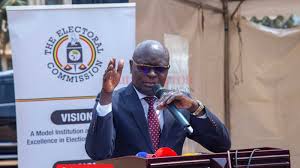
The road to Uganda’s 2026 presidential elections burst into life on Monday, August 11, 2025, as 51 hopefuls streamed into the Electoral Commission (EC) headquarters to collect nomination forms in a dramatic opening to the race.
By the close of the day, EC spokesperson Julius Mucunguzi confirmed that six of the aspirants were women while 45 were men, a turnout that surprised even seasoned political watchers.
“Two of them collected forms on behalf of political parties; the Conservative Party and the National Economic and Empowerment Dialogue (NEED) Party, while the remaining 49 aspirants are independents,” Mucunguzi noted, underscoring the dominance of individual contenders over party-backed candidates.

The atmosphere at the EC offices on Seventh Street in Kampala’s Industrial Area was charged with anticipation as staff handed out not just nomination forms, but also supporter lists and detailed guidelines for those seeking the country’s top seat.
Mucunguzi reminded the nation that the Presidential Elections Act sets a high bar for anyone dreaming of State House.
“With the country currently having 147 districts, two-thirds translates to 98 districts. This means each aspirant must present signatures from at least 9,800 supporters drawn from those 98 districts before they can be nominated,” he said.
Beyond the signature hunt, aspirants must be Ugandan citizens, registered voters, and must part with a non-refundable nomination fee of UGX 20 million.
“The guidelines also detail procedures for submission, verification of supporter signatures, and other obligations aspirants must fulfill before nomination day,” Mucunguzi added, his tone firm on the legal obligations.
He appealed to local leaders and communities to open their doors to the contenders.
“Anybody who comes with forms issued by the Electoral Commission should be given the support they need. They are engaging in lawful, democratic work provided for under the law,” he said.
Analysts say the stampede on day one is no ordinary show of ambition.
Some see it as a public vote of no confidence in the established political order, with independents flooding the scene in unprecedented numbers.
Others believe it is a testament to the growing appetite among Ugandans for fresh leadership and a chance to break political traditions.
The issuance of nomination forms is just the opening act in a high-stakes drama that will unfold over the coming months.
When the September 24 deadline closes, the EC will sift through the submissions, verify thousands of signatures, and announce the official nomination dates.
The stage will then be set for a potentially crowded ballot, where veteran politicians, party flag bearers, and first-time hopefuls will battle for the nation’s trust.
Political observers warn that a fragmented field could scatter the vote, making alliances, regional strategies, and even surprise pacts critical to victory.
The EC, for its part, insists it will deliver a transparent and inclusive process, urging all aspirants to stick to the rules or risk being cut from the race before it even begins.