
















Africa is preparing for a major leap in oil and gas liquids storage, projected to contribute nearly 12 percent of global capacity additions by 2030.
The continent’s storage growth is being driven by rapid population expansion, rising industrialisation, and economic development that continue to fuel demand for refined petroleum products and chemicals.
Governments and investors across Africa are also injecting resources into new facilities to strengthen export potential, improve energy security, and cushion against oil supply fluctuations.

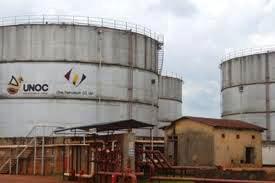
Uganda is expected to take the lead in this continental race through the establishment of the Buloba terminal, a mega facility that will have a projected storage capacity of 25.2 million barrels (mbbl).
The Buloba terminal is designed to anchor Uganda’s refined petroleum storage plans and will play a central role in guaranteeing reliable supply.
Its strategic location in Wakiso district ensures steady distribution to Kampala, the country’s largest consumer market, as well as other major demand centres across the region.
The Uganda National Oil Company (UNOC) will operate the terminal and holds a majority equity share of 51 percent in the venture.
Nigeria is forecast to follow Uganda closely in storage expansion, with capacity growth aimed at meeting rising domestic demand and strengthening export potential.
The Lagos terminal is the flagship project in Nigeria, expected to add 6.3 mbbl of capacity by 2030 through ongoing expansion.
Dangote Oil Refinery is both the operator and sole equity owner of this critical crude oil and petroleum products terminal.
Other major Nigerian projects expected to boost national capacity include Eghudu, Koko I, and Kula terminals, all of which will contribute significantly during the outlook period.
Ghana is ranked third in Africa’s liquid storage expansion, with a projected 19.4 mbbl to be added by 2030 through new-build projects.
The Jomoro terminal will be the cornerstone of Ghana’s growth, expected to begin operations in 2028.
Jomoro forms part of the broader Petroleum Hub Project, a national flagship plan aimed at transforming Ghana’s economy through an integrated petroleum and petrochemical industry.
Petroleum Hub Development will operate the terminal and retains full equity ownership of the facility.
According to leading data and analytics firm GlobalData, the planned expansions in Uganda, Nigeria, and Ghana will position Africa as a major player in global liquids storage, with long-term implications for trade, energy security, and economic transformation.