
















Koboko Municipality in Uganda has won a catalytic grant worth UGX 1.7 billion from the Mayors Migration Council’s Global Cities Fund for Migrants and Refugees (GCF).
The municipality is among six global cities selected for the new investment, aimed at advancing inclusive economic projects for migrants, refugees, and host communities.
The announcement was made in New York City on Thursday, September 25, 2025, as part of a $3 million commitment from the GCF.

Other beneficiaries of this round include Boston in the USA, Kanifing in The Gambia, Manta in Ecuador, Quezon City in the Philippines, and Turin in Italy.
Koboko will channel the grant into its “From Waste to Wealth” initiative, which seeks to generate green jobs for women and youth.
The programme will focus on briquette making, composting, and clean energy kiosks as part of efforts to build a circular economy.
By doing so, the project is expected to reduce pollution while expanding livelihood opportunities in communities affected by displacement.
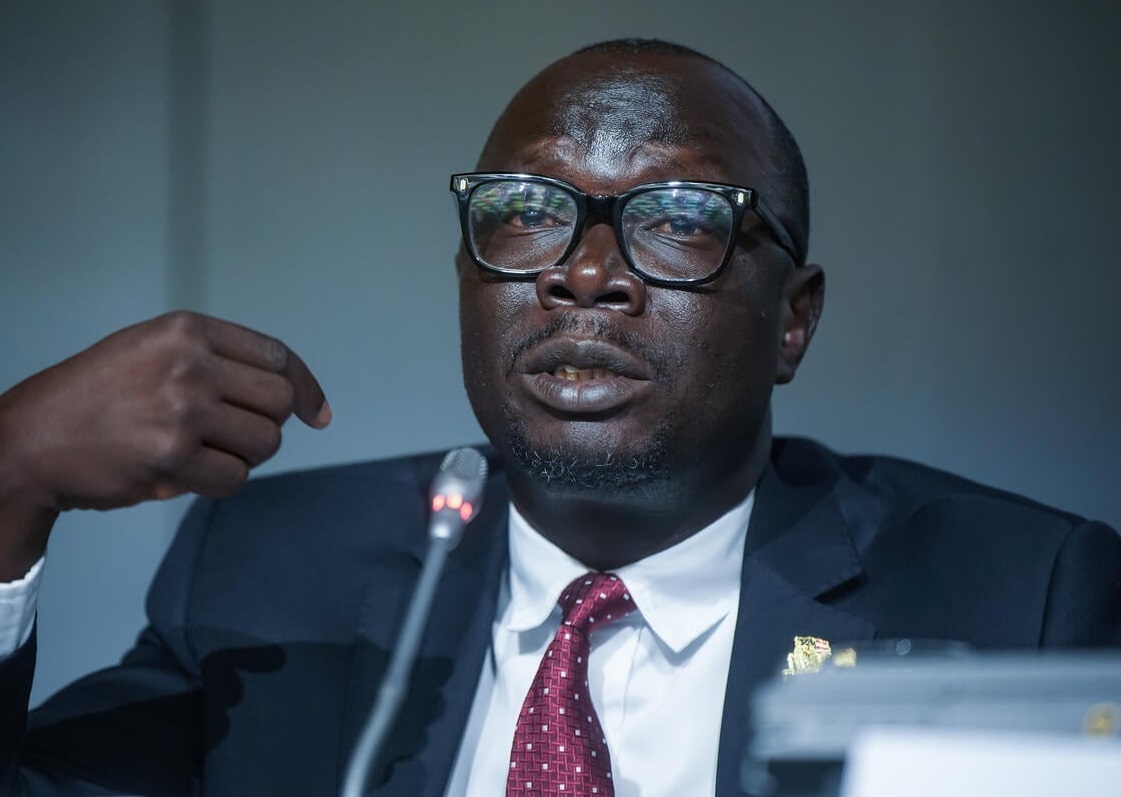
Mayor Wilson Sanya welcomed the funding, describing it as a boost for both economic empowerment and climate resilience.
“Through our Waste to Wealth project, we will turn environmental challenges into livelihoods for young people, women, and displacement-affected communities. This initiative shows that mayors and cities must be at the center of solutions to both migration and climate crises—not on the sidelines,” he said.
Koboko hosts more than 25,000 migrants and refugees, accounting for about 25 percent of its total population.
The municipality has experienced rapid population growth over the past decade, largely due to the arrival of refugees from South Sudan and the Democratic Republic of Congo.
Despite welcoming these communities, Koboko’s government has struggled to meet growing needs due to limited resources.
The Global Cities Fund support comes at a time when urban centres are being recognized as engines of economic growth for displaced populations.
Globally, cities generate more than 80 percent of GDP and offer greater opportunities for migrants compared to rural areas and refugee settlements.
Still, barriers such as restrictive work authorizations and limited access to financial services continue to hinder refugees’ full economic potential.
The Executive Director of the Mayors Migration Council praised the role of local governments in bridging these gaps.
“Mayors continue to deliver solutions that include in their local economies those who are often overlooked. We’re proud to help cities turn migration into a competitive advantage—unlocking prosperity not just for newcomers, but for all,” she said.
Since its establishment, the Global Cities Fund has raised $28 million, supported initiatives in 26 cities, and positively impacted over 100,000 migrants, refugees, and community members.
The MMC has now set a target of $50 million by 2030 to expand the reach of such city-led programmes worldwide.
Koboko’s success in securing the grant underscores Uganda’s reputation as a leading refugee-hosting nation.
It also demonstrates how municipalities can innovate to address the dual challenges of migration and climate change while driving inclusive local development.