

















Uganda has achieved a historic breakthrough in the international aviation arena after being elected to the International Civil Aviation Organization (ICAO) Council.
The announcement was made during the 42nd Session of the ICAO Assembly in Montreal, Canada, where 192 member states gathered to cast their votes.
Uganda secured 155 out of 185 votes, a commanding majority that underscored the confidence the global aviation community has in Uganda’s progress and reputation.

This victory now guarantees Uganda a seat on the ICAO Council for the 2025–2028 term.
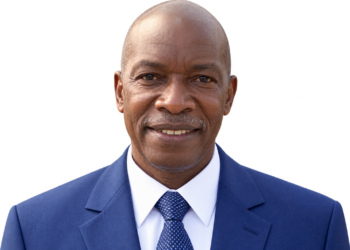
The Ugandan delegation to the Assembly was led by the Minister of Works and Transport, Gen. Edward Katumba Wamala, who was joined by Ambassador Allan Kajik, Uganda’s High Commissioner to Canada, the Director General of the Uganda Civil Aviation Authority (UCAA), Fred Bamwesigye, and senior officials from both the Ministry and the UCAA.
Speaking moments after the results were declared, Gen. Katumba Wamala hailed the election as “a vote of confidence in Uganda’s aviation leadership and a testament to our continued commitment to international safety and security standards.”
The ICAO Council is the supreme decision-making body of the United Nations’ specialized aviation agency.
It plays a central role in setting global aviation standards, overseeing safety compliance, advancing environmental sustainability, and promoting the liberalization of international air transport.
By joining the Council, Uganda will now have a direct voice in shaping the policies that govern global civil aviation, giving the country a chance to influence reforms that impact both developed and developing economies.
For Uganda, this milestone comes at a critical time when its aviation industry is undergoing significant transformation.
The ongoing expansion of Entebbe International Airport, the push for regional air connectivity, and the revival of Uganda Airlines are all projects that stand to benefit from Uganda’s strengthened role in international aviation diplomacy.
Analysts note that this achievement will not only enhance Uganda’s credibility but also boost investor confidence in the country’s aviation sector.
Uganda Airlines, which is expanding its international routes, is expected to gain from improved cooperation frameworks and bilateral air services agreements facilitated through ICAO.
Uganda’s election also ensures that Africa’s voice will be louder in critical discussions, especially as developing economies face unique challenges in balancing air transport growth with global sustainability targets.
The new term of 2025–2028 will be decisive for the aviation sector globally.
ICAO will be focusing on post-pandemic recovery strategies, environmental commitments linked to climate change, regulations on new technologies such as drones, and growing concerns about cyber security in aviation systems.
Uganda’s representation means the country will actively participate in these debates, pushing for policies that align with both its national priorities and continental interests.
For many observers, Uganda’s rise to the ICAO Council is not just a diplomatic victory but a reflection of years of steady progress in modernizing its aviation systems.
The overwhelming support from the international community is seen as recognition of Uganda’s commitment to improving safety oversight, adhering to international standards, and investing in aviation infrastructure.
As Gen. Katumba emphasized, Uganda now has the responsibility to match this confidence with effective participation and tangible results.
The achievement marks the beginning of a new chapter where Uganda’s aviation policies will not only influence its domestic growth but also shape the future of global aviation.