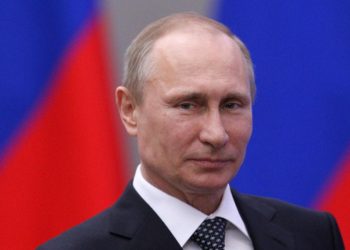















President Yoweri Museveni has once again stepped into a moment of national grief, offering both comfort and concrete support to families devastated by a brutal act of violence in Ggaba.
In the aftermath of the shocking killings at a local early childhood centre, the President extended financial assistance of Sh10 million to each of the four affected families, a gesture aimed at easing immediate burdens while signaling the state’s solidarity with grieving citizens.
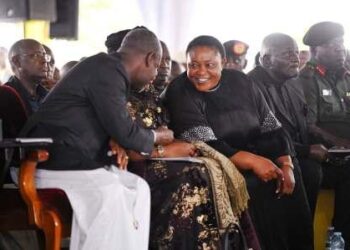
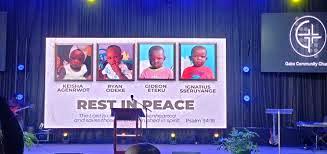
The funds were formally delivered by State Minister for Youth and Children Affairs Balaam Barugahara during an emotional prayer and remembrance service held at Ggaba Community Church.

The gathering brought together a cross-section of society, including bereaved parents, local residents, clergy, government representatives, and members of the security forces, all united in grief and a shared demand for justice.
The victims, identified as Keisha Agenrwot, Ryan Odeke, Gideon Etuku, and Ignatius Sseruyange, were young children whose lives were tragically cut short in an attack that has shaken the country.
According to preliminary accounts, the suspect allegedly gained access to the daycare facility by posing as a parent before turning violently on children who were playing, an act that has horrified communities far beyond Ggaba.
He was later subdued and taken into police custody, where he remains as investigations continue.
Speaking during the memorial service, Pastor Peter Kasirivu, founder of the church and the daycare centre, reflected on the institution’s mission and its deep roots in the community.
“This centre has been a refuge for families who struggle daily to make ends meet,” he said, emphasizing that it was created to provide “a safe and nurturing environment for children while their parents worked.”
He revealed that before the tragedy, there were plans to upgrade the facility into a modern, more secure institution, a project estimated to cost sh800 million.
Those ambitions, he noted, have now been overshadowed by the painful reality of loss and the ongoing investigation that has led to the closure of the centre.
Kasirivu also paid tribute to the caregivers, particularly the women who were present during the attack, describing them as “courageous in the face of terror,” and acknowledging that their quick actions helped save other children.
The service itself was marked by deep emotion, as mourners placed flowers beside photographs of the young victims and participated in prayers led by Pastor Joseph Sserwadda.
In a moment that blended sorrow with remembrance, attendees were invited to celebrate the children’s lives through song and applause, a gesture meant to honor their innocence and brief time on earth.
Yet beneath the prayers and tributes, frustration was evident among some parents.
Lawrence Mbazira, one of the bereaved fathers, expressed concern over what he described as limited communication from authorities.
“We want to know what is happening,” he said, questioning the progress of investigations, the suspect’s motive, and when formal charges would be brought.
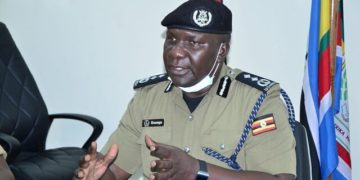
In response, Minister Balaam reassured the families that the suspect remains in secure custody and would be presented before court within a week.
He added that discussions were ongoing at the highest levels of the security establishment regarding the appropriate legal process, including suggestions that the case could be handled by a military court.
The minister also clarified the status of nearby schools, noting that while the daycare centre remains closed as an active crime scene, other institutions would resume operations following guidance from the Ministry of Education.
Emerging details from investigators suggest that the suspect may have had a history of mental health challenges, with reports indicating that his family had previously sought treatment for him abroad.
There are also unverified claims linking him to prior violent incidents and statements allegedly made about ritual practices, all of which remain under investigation.
Beyond the immediate tragedy, this incident fits into a broader pattern that President Museveni has long addressed in his leadership.
For decades, Museveni has positioned security as a central pillar of Uganda’s stability, frequently emphasizing the role of intelligence-led policing, community vigilance, and strong state institutions in preventing crime.
His government has invested heavily in surveillance systems, including CCTV networks in major urban areas, as well as strengthening the capacity of the police and other security agencies.
Museveni has often spoken about the importance of “wananchi” (ordinary citizens) working closely with security forces, arguing that community awareness is critical in detecting and preventing threats before they escalate.
In previous addresses following incidents of violent crime, he has reiterated that “no criminal will defeat the Ugandan state,” underscoring a consistent message of zero tolerance for acts that threaten public safety.
The President has also supported reforms aimed at improving response times, enhancing forensic investigations, and ensuring that perpetrators are brought to justice swiftly.
At the same time, his administration has acknowledged the complex factors behind certain crimes, including mental health issues, social pressures, and economic challenges, which require both security and social policy responses.
The Ggaba tragedy now stands as a painful reminder of the vulnerabilities that still exist, even as Uganda continues to strengthen its security framework.
For the families affected, however, the focus remains on justice, healing, and the hope that such a tragedy will never be repeated.
As the nation reflects, the President’s gesture of support, combined with ongoing investigations, represents both immediate compassion and a continued commitment to safeguarding every Ugandan life.