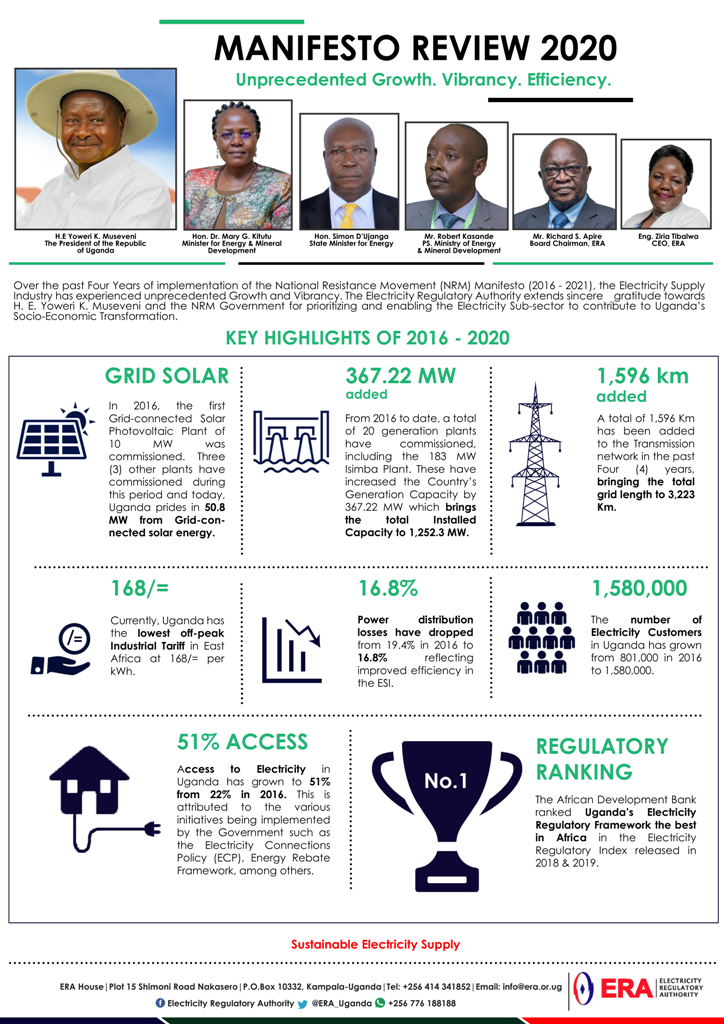












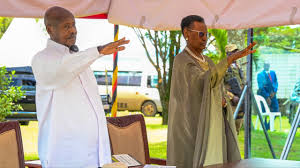
Uganda is preparing for a significant moment of spiritual reflection as the government rolls out a nationwide interfaith prayer program ahead of the inauguration of Yoweri Kaguta Museveni.
The three-day exercise, scheduled for May 8 to May 10, 2026, is designed to bring together citizens from all religious backgrounds in a unified call for peace, stability, and divine guidance as the country enters a new political term.
The inauguration itself will take place on May 12 at Kololo Ceremonial Grounds, marking the beginning of another chapter in Uganda’s leadership journey.
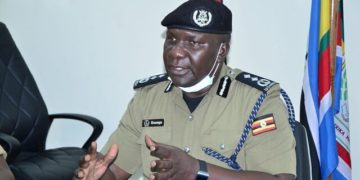
The program was confirmed by Haji Yunus Kakande, who emphasized its national importance and inclusive nature.
He explained that prayers will be conducted across the country, beginning in mosques on May 8, followed by Seventh-day Adventist congregations on May 9, and culminating in prayers across Christian churches on May 10.
Government officials at all levels are expected to join believers in their respective places of worship, reflecting a shared commitment to unity and collective purpose.
Kakande described the initiative as a meaningful opportunity for the nation to pause and seek divine direction at a critical moment.
“This is an opportunity for the country to seek divine guidance as it enters a new political term,” Kakande said.
He noted that the prayers will focus on national unity, stability, and the continued leadership of the President over the next five years.
The interfaith approach reflects Uganda’s rich religious diversity and long-standing tradition of coexistence among different faith communities.
Organizers have presented the prayers as a powerful symbol of national cohesion, bringing together Muslims, Catholics, Protestants, Pentecostals, and other religious groups in a shared spiritual experience.
State broadcaster Uganda Broadcasting Corporation and other official channels have highlighted the program as a moment of unity, where faith becomes a bridge connecting citizens across regions and beliefs.
The importance of prayer in Uganda’s national life cannot be overstated, as religious institutions have historically played a central role in shaping values, promoting peace, and supporting community development.
From independence celebrations to times of national challenge, Ugandans have often turned to prayer as a source of strength and guidance.
This tradition continues to influence how the country navigates major milestones, including political transitions.
Kakande also pointed to the broader global context, noting that the world is experiencing economic uncertainties and conflicts that require both practical leadership and spiritual grounding.
He emphasized that prayer provides a platform for reflection, humility, and renewed commitment to national goals.
For many Ugandans, the initiative represents more than a routine event, as it offers a chance to come together in hope and faith for the future of the country.
It also reinforces the idea that leadership is not only a political responsibility but also a moral and spiritual calling that benefits from collective support.
As the days of prayer approach, places of worship across Uganda are expected to become centers of unity, where citizens gather to express gratitude, seek guidance, and reaffirm their shared identity.
The initiative underscores the enduring role of faith in public life and its ability to bring people together in moments of national importance.
As Uganda prepares for the swearing-in ceremony, the nationwide prayers are set to create an atmosphere of reflection and solidarity, reminding citizens of the power of unity and the importance of seeking divine guidance in shaping the country’s future.