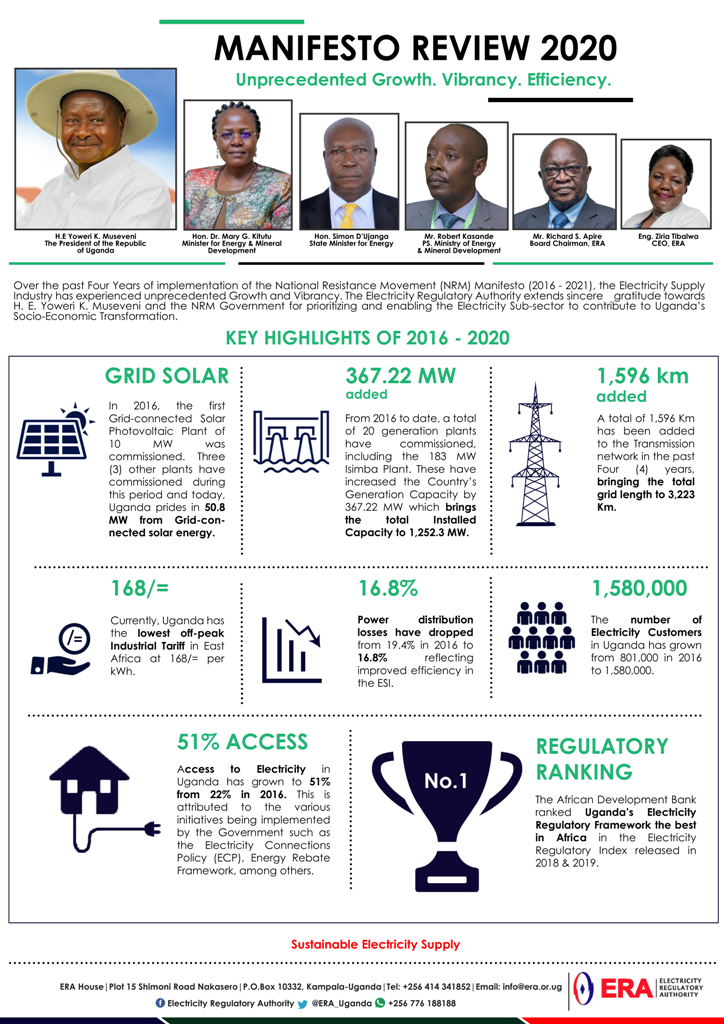


















A sense of concern had begun to spread across parts of Uganda as motorists encountered rising fuel prices and irregular supply patterns, but government officials have now stepped forward to reassure the public that there is no shortage.
At the center of this reassurance is Ruth Nankabirwa, the Minister of Energy and Mineral Development, who delivered a firm message to fuel dealers accused of exploiting the situation.
Speaking during the 11th National Oil and Gas Convention at Speke Resort Munyonyo, the minister made it clear that Uganda has enough fuel reserves to meet current demand.
She emphasized that the challenges being experienced in some areas are not the result of actual shortages but rather distortions within the market.
“Uganda currently holds adequate fuel stocks within operational thresholds, complemented by a strong forward import pipeline,” Ms Nankabirwa said.
Her remarks were based on findings from investigations conducted by the Ministry of Energy, which pointed to irregular practices among some fuel marketing companies.
She noted that the problem appears more pronounced in upcountry regions than in Kampala and surrounding areas, raising concerns about how fuel is being distributed across the country.
According to the minister, the Uganda National Oil Company had secured the current fuel stocks as early as January, when global oil prices were relatively low.
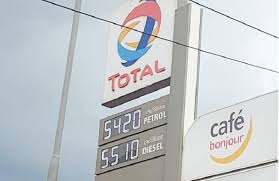
She explained that despite these favorable procurement conditions, some dealers have gone ahead to increase pump prices, actions that have drawn government scrutiny.
The minister revealed that by mid-April 2026, Uganda had received approximately 119 million litres of petrol through the Kenyan port of Port of Mombasa, significantly strengthening national reserves.
She added that additional imports are already in the pipeline, with about 163 million litres of petrol, more than 200 million litres of diesel, and around 22.4 million litres of Jet A-1 fuel expected between mid-April and mid-June.
These volumes, combined with existing stock, provide a comfortable buffer for the country.
The minister explained that this translates into fuel cover of up to 67 days for petrol, 84 days for diesel, and 89 days for jet fuel, based on an average daily national consumption of about 8 million litres.
She assured the public that newly imported fuel is already being distributed across different parts of the country and is expected to stabilize the situation in the coming days.
Even as she reassured the nation, Ms Nankabirwa raised concern over illegal activities that are disrupting the supply chain.
She revealed that investigations had uncovered cases where fuel meant for Uganda is being diverted across borders into the Democratic Republic of the Congo, particularly from border towns such as Arua and Kasese.
She also pointed to the risky and unlawful practice of transporting fuel in jerrycans using motorcycles, warning that such actions not only distort supply but also pose serious safety risks.
The minister issued a strong warning to fuel stations and individuals involved in these practices, stating that government would not hesitate to take action against offenders.
At the same time, she urged members of the public to remain calm and avoid panic buying or unsafe storage of fuel in their homes.
She emphasized that there is no national fuel crisis and that supplies remain stable.
Looking ahead, Ms Nankabirwa cautioned that fuel prices may rise in the coming months due to factors beyond Uganda’s control.
She explained that global oil market dynamics, including higher crude oil prices and increased refining costs, are likely to influence future pricing.
“Expect the prices between UNOC and the marketers to increase in May,” she said.
Despite these anticipated changes, the minister assured the public that government will continue engaging with industry players to ensure that any price adjustments are fair and reflective of international trends.
Her message ultimately sought to strike a balance between reassurance and caution, emphasizing that while Uganda’s fuel supply remains secure, vigilance is needed to prevent exploitation within the market.