
















For decades, the city’s transport system has largely depended on fuel-powered taxis, buses, and boda bodas navigating through congested roads and polluted streets.
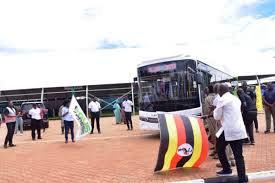
Now, Uganda has officially taken a major step into the future with the launch of its first electric commuter bus network in the capital city.
The new development marks a significant milestone in the country’s broader ambition to modernize public transport, reduce traffic congestion, cut fuel import costs, and transition toward cleaner energy solutions.
The electric bus service was officially unveiled by Edward Katumba Wamala, who described the initiative as part of a long-term national transformation agenda.
The first operational route will connect Ntinda to City Square through Kampala Road, forming part of a wider five-circuit transport system planned for the Greater Kampala Metropolitan Area.
The buses are being operated by E-Bus Xpress, a subsidiary linked to Kiira Motors Corporation, Uganda’s locally established automotive manufacturing company.
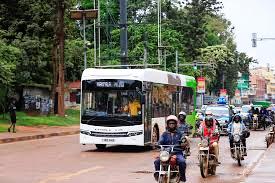
The service has started operations with an initial fleet of eight electric buses, with departures scheduled every 15 minutes to ensure consistent movement of passengers.
Authorities say the buses will operate using a fully cashless payment system, another shift aimed at modernizing urban mobility and reducing the inconveniences associated with cash transactions.
At the launch, Minister Katumba Wamala emphasized that the electric mobility project is not only about transportation but also about economic independence and environmental protection.
“Every electric mile driven is capital saved from fuel imports,” he said.
He explained that Uganda spends large amounts of money importing fuel every year, yet the country already produces electricity domestically.
According to the minister, shifting to electric transport will help the country retain more resources internally while protecting commuters from unstable global oil prices.
He added that predictable transport fares under the electric bus system would offer relief to passengers who often struggle with sudden increases in fuel costs.
The Kampala rollout follows a successful pilot project that was first introduced in Jinja in late 2024.
Uganda now joins other African countries such as Kenya, Rwanda, and Ethiopia, which have also begun investing in electric public transport systems as part of regional efforts to reduce dependence on fossil fuels.
Government officials say the electric buses are central to Uganda’s industrialization agenda because the Kayoola buses being used are manufactured locally by Kiira Motors Corporation.
The Kayoola project has for years been promoted as a symbol of Uganda’s growing technological and manufacturing ambitions.
Leaders believe the initiative could position Uganda as one of Africa’s emerging players in green transport technology.
Beyond environmental conservation, the project is also expected to create employment opportunities for Ugandans in various sectors.
Officials say jobs will emerge in vehicle maintenance, charging infrastructure management, software systems, mobile payment operations, and transport logistics.
The government is also planning a franchise-based operating model intended to gradually integrate existing informal transport operators into the modernized system.
Under the broader national strategy, Uganda plans to deploy about 1,500 electric buses across 14 cities by the year 2030.
The expansion will be supported by the construction of approximately 260 fast-charging stations across the country.
Authorities believe the charging infrastructure will be critical in sustaining operations as the system grows beyond Kampala.
The initiative also fits within Uganda’s National Development Plan IV, which prioritizes infrastructure development, industrial growth, and urban productivity as key drivers of economic transformation.
Kampala’s growing population and increasing number of vehicles have for years created serious traffic congestion challenges.
Commuters often spend several hours stuck in traffic daily, leading to lost productivity and increased transport costs.
Urban planners and government officials believe that improving mass public transport is one of the most practical solutions to the city’s transport crisis.
Environmental experts have also welcomed the development, noting that transport emissions remain among the major contributors to air pollution in urban areas.
Electric buses are expected to significantly reduce carbon emissions and improve air quality in Kampala over time.
The project therefore aligns Uganda with global climate action efforts aimed at promoting cleaner and more sustainable transport systems.
As the first buses begin operating on Kampala roads, many Ugandans are now watching closely to see whether the ambitious project can successfully transform daily urban transport.
For government officials, however, the launch represents more than just a transport service.
It is being viewed as the beginning of a new chapter in Uganda’s journey toward technological innovation, industrial growth, and sustainable urban living.