
















Uganda’s power distributor, Umeme limited is yet to convince President Yoweri Museveni that its concession deserves to be renewed.
Umeme’s power distribution concession is due to expire in March 2025 having started in March 2005 when the South African company took over electricity distribution in Uganda and the policy has a provision for negotiations into a concessionaire to start three years to the expiry of its concession and apply for a renewal of the concession.
However, the talks to renew the contract between Umeme and the Government have not yielded fruits since 2018.

During Umeme’s 6th Annual General Meeting in May 2019, Patrick Bitature, the Chairman, Board of Directors of Umeme revealed that the power distributor was optimistic of getting a new concessional deal by end of the year (2019).
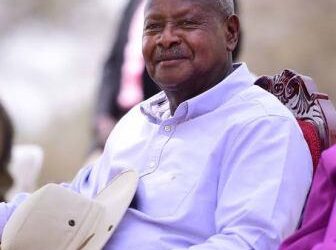
Speaking to Ugandans during today’s 58th Independence Day celebrations held at State House Entebbe, President Museveni revealed why he has refused to renew umeme’s contract.
“We are working hard to evacuate power from Karuma dam to manufacturing hub and export excess power. There is a group called Umeme. These are private people who want to make high profits. Can you make high profits from bone marrow and then we survive? We are debating that. If you are looking for high profits, there are areas you can go to; invest in clubs, casinos I will not follow you,” Museveni said.
He added that there are people who have been pushing him to approve Umeme’s concession, but he has refused to bow down to their pressure.
“…when it comes to electricity, this is a strategic issue. We now have enough electricity, it can be sold cheaply to the manufacturers but people who want to make business are the ones pushing up,” said Museveni.
It should be recalled that Government through the Ministry of Energy embarked on negotiations into the second concession by power distributor Umeme Limited in 2018, hoping to have talks finalized by 2019, but these have stalled on to date.
Umeme went into early concession negotiations because the company intends to secure funding on long term tenure when the price is low globally and ensure that power tariffs can be brought down.
However, this isn’t the first time President Museveni is expressing his disgust at Umeme.
In March 2018, he wrote a letter warning the Ministry of Energy against renewing Umeme’s concession arguing that the country should be looking for cheaper ways of modernising and expanding the distribution and distribution lines.
Museveni tasked the Ministry of Energy as well as Ministry of Finance to furnish him with details regarding financial reports by Umeme’s of the losses the company was incurring and the investments the entity had undertaken in the country.
The President wrote: “I am now directing you to furnish me with the explanations on all these matters. In the meantime, there should be no question of renewing Umeme’s concession. By copy of this letter, I am also directing the Inspector General of Government to look into these issues.”
The President’s decision to cancel Umeme’s concession was informed by the 2017 audit report by the Auditor General, John Muwanga that indicated that Government lost approximately Shs129Bn to Umeme in depreciation and return on asset since Government entered into contract with the electricity company.
Why Umeme Contract Is Bad For Ugandans, Good For Shareholders
If there is any deal that has been negotiated badly on earth, it is a concession between Umeme and Uganda government to manage power distribution in 2005.
Former Permanent Secretary at Ministry of Energy, Kabagambe Kaliisa was at the center of negotiations of this deal.
Among the mind blowing clauses of the concession that put Uganda in a tight corner include;
The Government is obliged to pay 120% of the total Umeme investment should the government initiate termination of the contract.
On the other hand, in case Umeme chooses to initiate the termination of the contract, the Government is still obliged to pay 80% of the total Umeme investment. What a deal!
It was also agreed that in the event of natural termination of the contract, government would have to pay 105% of the amount Umeme invested at the time of termination, which would be over Shs294bn.
Natural termination of the contract is when the contract expires and the contractor (Umeme) claims they have not recouped their total investments.
The agreement also reveals that in case of termination of the contract due to circumstances beyond the control of both parties (Force Majeure), government pays 90% of the invested money.
This would be not less than Shs252bn. Such circumstances include war, riot, strike, crime, flooding or earthquake or volcanic eruptions.
The contract also obliges the Government to pay an interest of 20% per annum of any outstanding portion of the buyout amount should 91 days elapse after the termination date until it clears the money in full.
The other clauses that gave Umeme a blank cheque are Section 2.1 (U) (ii) of the Lease and Assignment Agreement, which states that should Umeme be indebted to, say its Ugandan shareholders by the time of terminating the agreement, the government will either pay off or cancel the debt(s).
Section 9.5 of the Support Agreement removes the immunity of the government from claiming its assets in case Umeme brought any legal proceedings against it.
The contract is heavily skewed in Umeme’s favour, a thing that has made it very hard for Parliament to terminate the distributor’s concession despite the fact that it has become a pain in the lives of Ugandans.
During the agreement, former Finance Minister Gerald Sendaula signed on behalf of the Government, Irene Muloni, the former Energy Minister signed for Uganda Electricity Distribution Company Ltd (UEDCL) as the managing director, while former director David Grills signed on behalf of Umeme.
Credit: businessfocus.co.ug