
















A candid conversation about parenting, responsibility, and family values unfolded in Kampala as young people gathered to reflect on the growing strain within Ugandan homes.
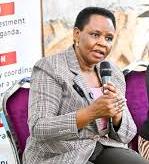
The dialogue, hosted at the offices of the State House Investors Protection Unit, was led by its head, Edith Nakalema, who delivered a heartfelt appeal to the country’s youth.
She urged young Ugandans to rethink what it truly means to be a father, emphasizing the importance of being deliberate and present in raising children.

Nakalema described “intentional fatherhood” as a conscious commitment to nurturing children with clear values, long-term vision, and emotional awareness rather than leaving parenting to chance.
She warned that many families are struggling because fathers have withdrawn from their responsibilities, leaving emotional gaps that deeply affect children.
“Many children complain that their parents have abandoned their responsibilities,” she said.
She explained that such absence often breeds resentment, confusion, and emotional pain among young people growing up without guidance.
Drawing from her own life story, Nakalema shared a contrasting experience of growing up in a home filled with parental presence despite limited resources.
“Our father was present in our lives. He prayed for us every day, and that shaped my understanding of a father’s love,” she said.
She stressed that while financial support is important, it cannot replace the emotional and physical presence of a father in a child’s life.
“Money is not everything in a family. What brings peace and contentment is the presence of a father,” she said.
She added, “I urge young men to provide security and protection for their children.”
Nakalema also addressed perceptions surrounding modern relationships, particularly claims that successful women often undermine their spouses.
She dismissed this notion by pointing to her own marriage, noting that respect within a home is not determined by rank or status.
“I respect him because he has been present in our lives. I know he is the head of the family,” she said.
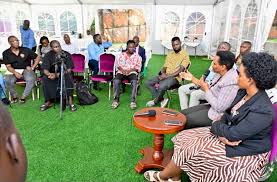
The session took on an even more emotional tone when young participants began sharing personal experiences that reflected the realities Nakalema had described.
Among them was Jacob Akuguzibwe, widely known as DJ Jacob Omutuzze, whose story highlighted the harsh consequences of broken family structures.
Akuguzibwe recounted how he became a street child at just eight years old, exposing him to a life of hardship and exploitation.
He explained that his journey was marked by struggle until he received support that helped him return to school and rebuild his life.
“Due to the disconnection between parents and children, many young people face serious physical and psychological challenges, leading to issues like drug abuse and early pregnancies,” he said.
He revealed that his past now drives him to support vulnerable young mothers, offering both emotional guidance and material assistance.
Other participants pointed to broader societal factors fueling family instability, including weak policy frameworks, selfish parenting tendencies, and the growing influence of social media.
The discussion also drew contributions from student leadership, with Shillah Ainembabazi calling for a more structured national response.
She advocated for awareness campaigns on intentional parenting to be rolled out across the country, starting from grassroots communities.
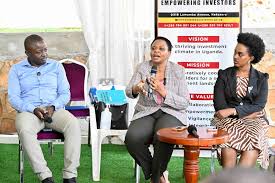
“This will help equip families with the knowledge needed to address the challenges affecting them,” she said.
Ainembabazi also shared her personal journey of growing up in a single-parent household and later becoming a young mother, underscoring the urgency of such interventions.
The meeting attracted a cross-section of leaders and stakeholders, including Ezra Muhumuza and Ben Tumuheirwe, reflecting the wide concern about the state of families in Uganda.
By the end of the session, one message stood out clearly: rebuilding strong families in Uganda will require more than financial provision—it will demand intentional, present, and emotionally engaged fatherhood.