









A raw video is spreading across Uganda’s social media platforms.
It has reopened a question many parents already carry: what does “free” secondary education actually cost?
In the clip, a student who says he studies at Nyondo Secondary School in Mbale District speaks emotionally into a phone camera.

He says the headteacher, Mr. Wandulu Dismas, has locked students outside the school gate because they have not paid fees.
“We lied to you, we pay huge money and as I speak the Headteacher, Mr. Wandulu Dismas has locked us outside the gate for not paying fees,” he says.
He then appeals directly to Local Government Minister Balaam Barugahara Ateenyi to step in.
The video has moved quickly through WhatsApp groups, TikTok, Facebook and X.
It has drawn thousands of views and comments from parents, students and education stakeholders.
Many of them say the scene reflects wider frustration over hidden and additional charges in Universal Secondary Education (USE) schools.

What Is Known, and What Is Not
Nyondo Secondary School is a government-aided USE institution in Mbale District.
It is known for strong performance in recent UACE results.
Its headteacher, Dismas Samuel Wandulu, has been recognised by the Mbale District Local Government as Best Secondary School Headteacher, including in consecutive years.
In earlier public addresses, Mr. Wandulu described the school as “a bit expensive” for a government institution.
He also stressed the need for financial caution among parents and for avoiding the overburdening of families from rural areas.
The lock-out itself has not been independently verified.
Neither the school authorities, the Ministry of Education and Sports, nor local officials have confirmed it publicly.
The fee amounts mentioned in the video are also unconfirmed.
Attempts to get an immediate response from the school administration or the district education office were unsuccessful at the time of this report.
Until those offices speak, the student’s account remains an allegation.
Who Is Balaam Barugahara?
To understand why a student would address his plea to this minister, it helps to know the man.
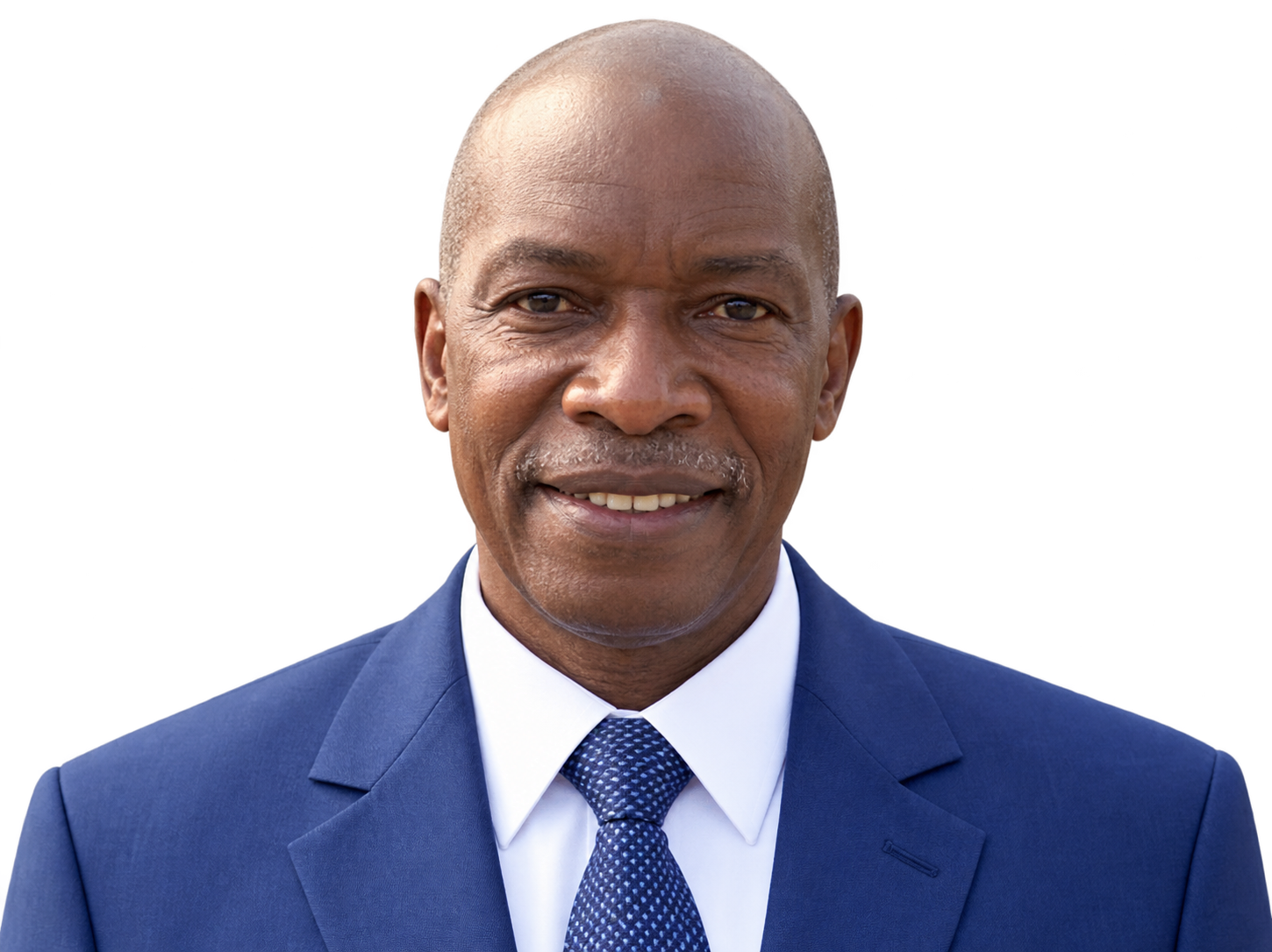
Balaam Barugahara Ateenyi was born on 28 July 1979.
He built his name as a businessman, music and events promoter and media owner, long before he held public office.
His business interests include Radio One in South Sudan, Balaam Marketing Agency, and radio stations in Kampala, Masindi, Masaka and the Elgon sub-region.
He entered government in 2024, when he was appointed State Minister for Youth and Children Affairs, his first government job.
President Yoweri Museveni appointed him Minister of Local Government on 26 May 2026, replacing Raphael Magyezi.
Months earlier, he had told reporters he was not worried about losing his cabinet post.
He argued that he had already been wealthy before joining government.
Why the President Picked Him
The appointment came with a clear political message.
At the June 2026 budget reading, Museveni acknowledged that the public sees Balaam and his State Minister, Justine Nameere, as cantankerous and quarrelsome.
He said he chose them because they are willing to confront corruption and poor service delivery.
The president wanted them to direct their anger at local government officials who steal from programmes such as the Parish Development Model (PDM).
Museveni said he had often phoned the previous minister during the election period over complaints of stolen PDM funds.
Behind that mandate lies a long national problem.
On the 2025 Corruption Perceptions Index, Uganda scored 25 out of 100 and ranked 148th out of 182 countries.
The Crusade Takes to the Road
Balaam did not wait long to start.
On 10 July 2026, Bulambuli District hosted the national launch of a campaign titled “Expose and Fight Corrupt Officials in Local Governments.”
He was accompanied by State Minister Justine Nameere, other ministers, MPs and Ministry officials.
“We have not come to Bulambuli for flowers; we have come to work,” he said.
He urged citizens to expose corrupt officials in their communities.
In Masaka, he told residents that government wants to hear directly from the people so that action can be taken.
He also pressed local governments to prioritise investments that directly improve citizens’ livelihoods.
In Busia, the campaign ran under the theme “Expose the Corrupt.”
He found discrepancies in pupil enrolment figures and said the government had lost huge sums through ghost pupils.
At Busia Market he found no functioning toilet and ordered the arrest of the Town Clerk.
He also said the government had paid for 254 solar street lights in Busia Municipality, but only 138 had been installed.
In Pakwach, the issue was the Parish Development Model.
He said some PDM focal persons had allegedly extorted money from beneficiaries and were released after refunding it.
He argued that repaying the money was proof a crime had been committed, and ordered their re-arrest.
In Ankole, the tour led to administrative consequences.
At least 26 local government officials faced interdiction over alleged corruption and misuse of public funds.
The interdictions followed recommendations from the State House Anti-Corruption Unit.
Balaam said the suspensions were meant to protect the integrity of the probes.
The Classroom Front
Schools have become a major battleground in this campaign.
In Namisindwa, the minister found that Namisindwa Secondary School had been charging every student UGX 65,000.
He ordered the school closed temporarily over poor sanitation and the charges.
He questioned how the school had collected the money for years without improving critical infrastructure.
He directed the administration to use the money already collected to renovate and cement the main hall.
Nearby, at Bupoto Primary School, the headmaster was arrested.
He allegedly admitted adding over 300 non-existent pupils to the register every year to receive extra government funding.
At Nkoma Secondary School in Mbale City, parents raised the same complaint that now echoes around Nyondo.
They said they were being asked for fees of between UGX 100,000 and UGX 190,000.
Balaam called on management to halt collection of the disputed fees while the issues were addressed.
He also asked the State House Anti-Corruption Unit to investigate a classroom building at the school.
Elsewhere, the pattern continued.
In Bududa, students blocked the arrest of a headteacher accused of charging Shs 150,000.
The minister has also restated that USE schools should not impose mandatory fees beyond approved PTA contributions for items parents have agreed to.
He has said learners should not be locked out for non-payment.
Law, Courts and a Plan to Strengthen Local Councils
The minister is now looking for legal teeth.
He has told legislators he wants to amend the Local Government Act so that local council units can curb vices that cause heavy losses of public resources.
Justice Minister Norbert Mao has said the Director of Public Prosecutions will move with him, and that a mobile court will try cases on-site during community barazas.
“You are going to prison,” Mao warned those who steal money or inflate learner numbers.
Applause, and Hard Questions
Public reaction has been mixed.
One commentary noted that the minister’s efforts were first met with excitement, which later turned to mixed feelings.
It argued that his orders must be backed by law and coordinated with the Inspector General of Government, the State House Anti-Corruption Unit, the Judiciary and law enforcement.
A sharper critique appeared in the Daily Monitor.
A columnist argued that on-the-spot inspections and arrests target low-level officials while grand corruption at the apex of the state remains untouched.
The columnist called for full operational and financial autonomy for anti-corruption institutions.
Supporters and critics agree on one point: the fight needs follow-through in courts and institutions, not only at the gate or the podium.
Official Policy Under Scrutiny
Under the USE framework, government provides capitation grants.
It has repeatedly directed that no learner be denied access to education or examinations over unpaid balances.
Approved PTA contributions exist in many schools.
They are meant to be voluntary, transparent and limited.
The Ministry of Education and Sports and local governments are expected to investigate complaints of coercion or lock-outs.
What Happens Next
The video keeps gaining traction.
Parents and education observers want the minister’s office and the Mbale District Education Department to visit Nyondo SS.
They want officials to hear from both students and administration, and to clarify the fee structure now in force.
The school has not yet issued a public statement on the allegations.
The case highlights a persistent tension in Uganda’s education sector.
It is the gap between the promise of free secondary education and the costs many families still face.
Whether Nyondo proves to be an isolated complaint or evidence of a wider practice will depend on how quickly and openly officials respond.
Parents and students with similar experiences are urged to use official complaint channels rather than rely on social media alone.
For now, the student’s plea, “We lied to you… we pay huge money,” keeps Nyondo Secondary School and the wider question of school charges in the public eye.